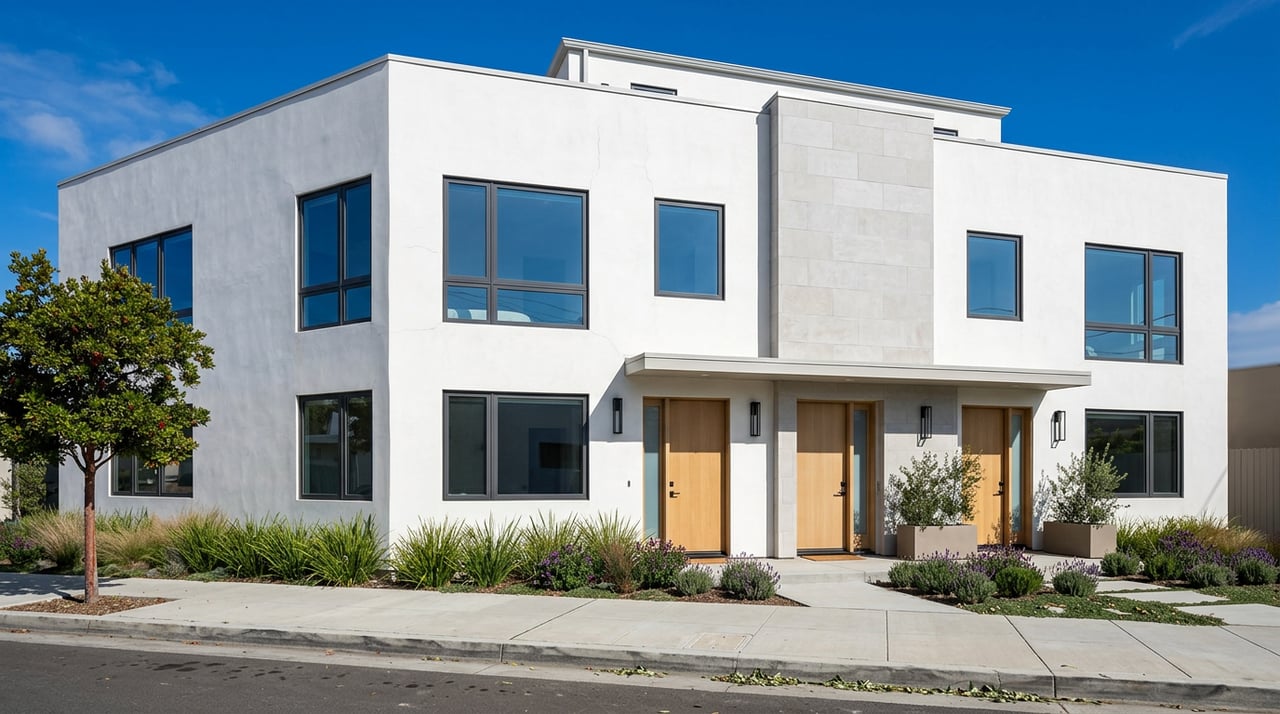
Trying to choose between a condo and a house in San Francisco County can feel like comparing apples, oranges, and a very SF third option: TICs. You want the right fit for your lifestyle, your budget, and your long‑term wealth goals, but the rules here are unique. In this guide, you’ll learn how condos, TICs, and single‑family homes actually work in San Francisco, the real costs and risks to weigh, and a simple framework to help you decide with confidence. Let’s dive in.
Property types in San Francisco
What a condo means
A condominium is separate real property for your unit with shared ownership of common areas through a homeowners association. You’ll follow HOA rules set by CC&Rs and pay monthly dues that fund maintenance, insurance for common areas, and reserves. Lenders underwrite both you and the building’s health, including reserves, delinquency, and litigation. FHA and VA loans require project approval, which some San Francisco buildings do not have.
What a TIC is
A tenancy‑in‑common is co‑ownership of the whole property with the right to occupy a specific unit through a private TIC agreement. Your interest is an undivided share rather than a separate parcel. Financing can be more limited and may require higher down payments and specialized lenders. TIC agreements govern who pays what, how repairs are handled, and what happens if an owner sells or defaults.
What a house offers
A single‑family home gives you fee simple ownership of the structure and the lot. You set your own house rules subject to city ordinances. There’s no HOA in most cases, so you handle all maintenance and insurance directly. You also gain more control over potential additions or ADUs, based on zoning and permits.
Cost and financing differences
Purchase price and value drivers
San Francisco is a high‑cost market with big neighborhood differences. Condos and TICs often present lower entry prices compared to single‑family homes, though the gap varies with the market cycle. Over time, houses tend to track land scarcity and often attract the broadest buyer pool. Condos can appreciate, but values may be more sensitive to building health and the supply of similar units. TICs can appreciate too, though financing and resale constraints can affect pricing and liquidity.
Financing realities
- Condos: Conventional lending is common, but lenders also review the project’s reserves, owner‑occupancy, and any litigation. FHA and VA loans need building approval, which can limit options.
- TICs: Financing exists but is more specialized. Expect stricter underwriting, higher down payment requirements, and potentially higher rates. Availability is more limited than for condos or houses.
- Single‑family homes: Typically the most straightforward for standard mortgage products, including conventional, FHA, and VA, subject to your qualification.
HOA/TIC dues and reserves
- Condos: Monthly dues fund common area upkeep, master insurance, utilities in some cases, and reserves. The Davis‑Stirling Act governs how California HOAs operate, including budgets, disclosures, and reserve planning. Special assessments can occur when reserves fall short for big repairs.
- TICs: You don’t have a traditional HOA, but the TIC agreement allocates costs and sets rules for repairs, reserves, and decision‑making. The strength of that agreement matters a lot for your risk and day‑to‑day predictability.
Taxes and assessments
California’s Proposition 13 controls how property taxes are assessed and limits annual increases until a change in ownership or new construction. Local parcel taxes and special assessments can add to your bill in certain areas. TIC transfers can have specific reassessment nuances because the building may be one parcel for tax purposes. Confirm how reassessment will work for the property you’re buying.
Risk and maintenance
Seismic retrofits and DBI orders
San Francisco’s Department of Building Inspection has mandatory retrofit programs that affect many multi‑unit buildings, especially soft‑story structures. These can require significant capital and often lead to special assessments for condo owners or cost‑sharing under TIC agreements. Always check building compliance history and any active DBI orders before you write an offer.
Insurance basics
- Condos: You typically carry an HO‑6 policy that covers the interior of your unit and personal property. The HOA’s master policy covers the structure and common areas. Verify whether the master policy is all‑in or bare‑walls and confirm limits.
- TICs: Insurance depends on the agreement. There may be a master policy, but gaps can exist. Expect to secure coverage for interiors and liability consistent with the agreement.
- Single‑family homes: You’ll carry a standard homeowner policy for structure and contents. Earthquake insurance is separate for all property types and is commonly recommended given local seismic risk.
Special assessments
Special assessments can occur in condos and TICs to fund repairs, retrofits, or capital projects. In condos, reserves and budgeting rules exist, but big projects can still exceed savings. In TICs, the agreement dictates reserve targets and how costs are shared. Review reserve studies, budgets, and meeting notes to anticipate upcoming expenses.
Lifestyle and rules
Space, parking, outdoor
Single‑family homes usually offer more living space and private outdoor areas like yards or patios. Condos and TICs often have limited private outdoor space, with shared common areas instead. Parking varies widely, and it is a premium across San Francisco. Verify whether parking is deeded, assigned, or not included at all.
Pets and remodeling rules
Condos follow CC&Rs and HOA rules that can limit pets, renovations, flooring choices, and even decor in common areas. TICs often have similar house rules set in their agreements. Single‑family homes give you more flexibility to remodel, but you must still follow city codes and permitting.
Short‑term rentals and rent control
San Francisco regulates short‑term rentals with registration and occupancy limits. Many HOAs and TIC agreements add their own restrictions. For long‑term rentals, local rent and tenant protection ordinances can affect rent increases and just‑cause eviction rules, especially for units built before 1979. If you plan to rent out now or later, verify what rules apply to the specific property.
ADU potential
Single‑family lots may allow you to add an accessory dwelling unit with proper permits, which can support multi‑generational living or rental income. Condos and TICs typically cannot add ADUs in the same way because land control is shared. If ADU potential matters, focus your search on houses and confirm feasibility early.
Resale and wealth building
Liquidity and buyer pools
Houses generally attract the largest buyer pool and can be easier to sell, especially in stable or rising markets. Condos often have strong demand, but building‑level issues like low reserves or litigation can shrink financing options and buyer interest. TICs typically have the smallest buyer pool due to financing and co‑ownership complexity, so resale can take longer and pricing can be more variable.
Appreciation potential
While appreciation is never guaranteed, many buyers choose single‑family homes for long‑term wealth building tied to land value and flexibility to improve the property. Condos and TICs can appreciate too, but their values tend to track building condition, HOA health, and the supply of comparable units. If your horizon is short, overall liquidity and transaction costs may matter more than potential upside.
Neighborhood fit
Where condos cluster
You’ll find many condos in downtown areas and neighborhoods with newer development or conversions. Central corridors with larger buildings often offer amenities and strong walkability. If you prioritize low maintenance, elevator access, and modern finishes, condo‑heavy areas can be a strong match.
Where houses are common
Single‑family homes are distributed across many residential neighborhoods in San Francisco. If you want more space, private outdoor areas, and potential for ADUs, focus on house‑heavy districts. Match your commute, transit preferences, and daily lifestyle to the neighborhood mix of property types.
10‑minute decision framework
Use this quick scoring guide to compare options for a specific property you’re considering. Rate each 1 to 5, then sum.
- Affordability: Purchase price plus HOA/TIC dues, likely assessments, taxes, and insurance.
- Financing feasibility: Your down payment and available loan programs for that property type.
- Maintenance burden: Your tolerance for managing repairs versus paying dues.
- Appreciation potential: Land control, ability to add value, and buyer pool on resale.
- Lifestyle fit: Space, parking, outdoor access, and building rules.
- Liquidity: Size of the likely buyer pool when you sell.
If one option scores several points higher, that’s your likely path. If scores are close, run a deeper analysis on dues, retrofit exposure, and financing.
Buyer scenarios
First‑time buyer prioritizing walkability
If you want a central location and low maintenance, a condo might be your best fit. Review HOA budgets, reserve studies, and meeting minutes for upcoming repairs. If your budget is tight and you’re open to more complexity, a TIC can open doors in classic buildings, but confirm you can secure financing and understand the agreement.
Move‑up buyer wanting yard and upside
If you value outdoor space, privacy, and the ability to expand or add an ADU, a single‑family home should be your first look. You’ll take on full maintenance, but you gain control and often a broader buyer pool on resale. Budget for seismic upgrades and long‑term capital projects.
Value seeker drawn to historic buildings
A TIC can be a path into desirable neighborhoods at a more accessible price point. Expect extra legal steps, specialized financing, and a smaller resale pool. Review the TIC agreement for reserves, default remedies, and decision‑making rules before moving forward.
Investor seeking flexibility
A single‑family home or a well‑run condo community with clean financials can suit a straightforward investment plan. Understand local rent rules and short‑term rental restrictions before you underwrite income. TICs can work, but the added complexity makes them better for experienced buyers who are comfortable with co‑ownership structures.
Due diligence checklist
Condos
- HOA CC&Rs, bylaws, and rules
- Budget and reserve study
- Meeting minutes for the past 12 to 24 months
- Master insurance policy details and coverage limits
- Owner‑occupancy rates, delinquency, and any litigation
TICs
- Full TIC agreement and amendments
- How expenses, reserves, and repairs are allocated
- Default remedies and sale processes
- Evidence of any master insurance policies
- Minutes from owner councils or meetings
Single‑family homes
- Seller disclosures and title report
- Structural, pest, and systems inspections
- Permit history and any ADU/renovation permits
- Any DBI notices on file
For all property types
- Recent utility bills and current property tax bill
- Earthquake and flood zone status
- Neighborhood noise and quality‑of‑life checks
- Lender pre‑qualification aligned to the property type
Next steps
Your best choice depends on how you balance monthly costs, financing access, retrofit exposure, and lifestyle flexibility. Focus your search on the property type that scores highest in your decision framework. Then verify building health, insurance coverage, and any DBI retrofit obligations before you commit.
If you want a calm, organized plan from search to closing, connect with an advisor who can translate San Francisco’s unique rules into clear next steps. Reach out to Apsara Oswal to get a tailored strategy that supports your lifestyle today and your wealth goals for tomorrow.
FAQs
Are condos easier to finance than TICs in SF?
- Yes. Condos commonly qualify for conventional and some government loans, subject to project eligibility. TIC financing exists but usually requires higher down payments and specialized lenders.
Do condos or TICs have more special assessments?
- Both can have assessments. Condos follow formal reserve rules under state law, but big projects can exceed savings. TICs rely on the strength of the agreement and owners’ ability to fund shared costs.
How do San Francisco retrofit rules affect buyers?
- Multi‑unit buildings may face mandatory seismic retrofits that carry significant costs. Check DBI records for compliance history and any active orders before making an offer.
Can I add an ADU in a condo or TIC?
- Usually not in the same way as a single‑family home due to shared land control. If an ADU is a priority, focus on houses and verify zoning and permits.
How does rent control impact investment plans?
- Local rent and tenant protection ordinances can limit rent increases and affect eviction rules, especially for units built before 1979. Verify whether the unit is covered before you underwrite income.
What taxes should I plan for under Prop 13?
- Your assessed value resets at purchase with capped annual increases, plus any local assessments. TICs can have specific reassessment nuances; confirm details with the county before closing.