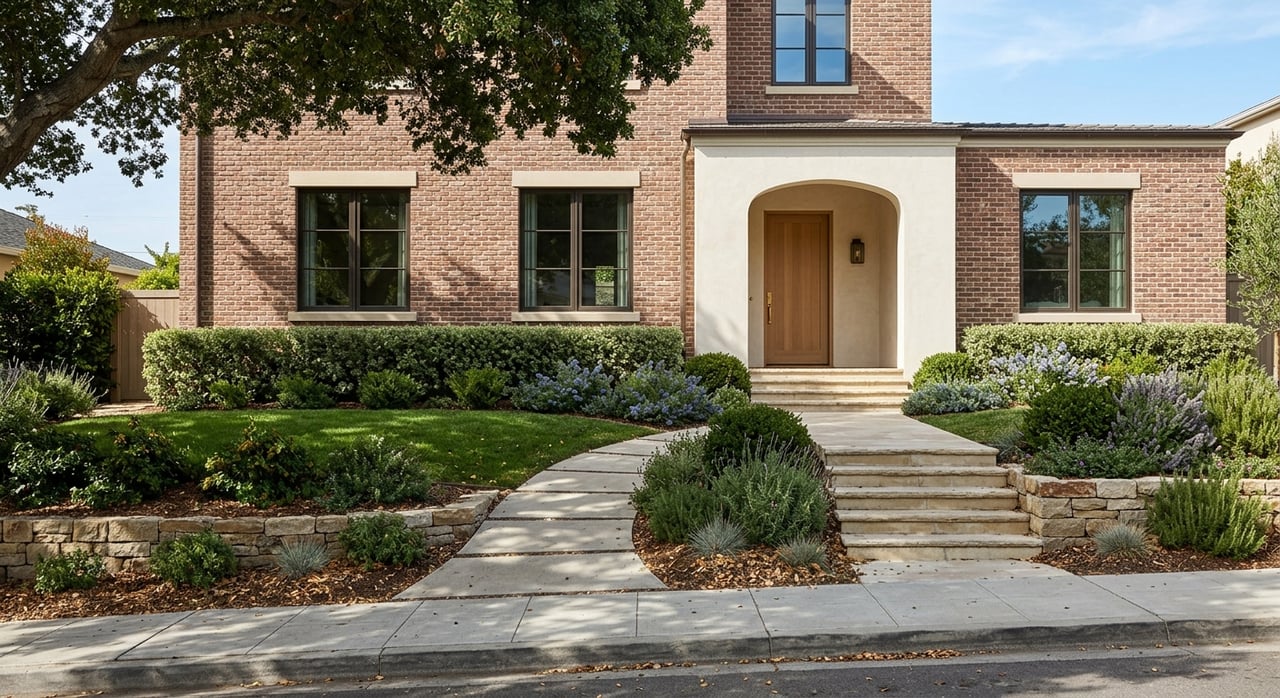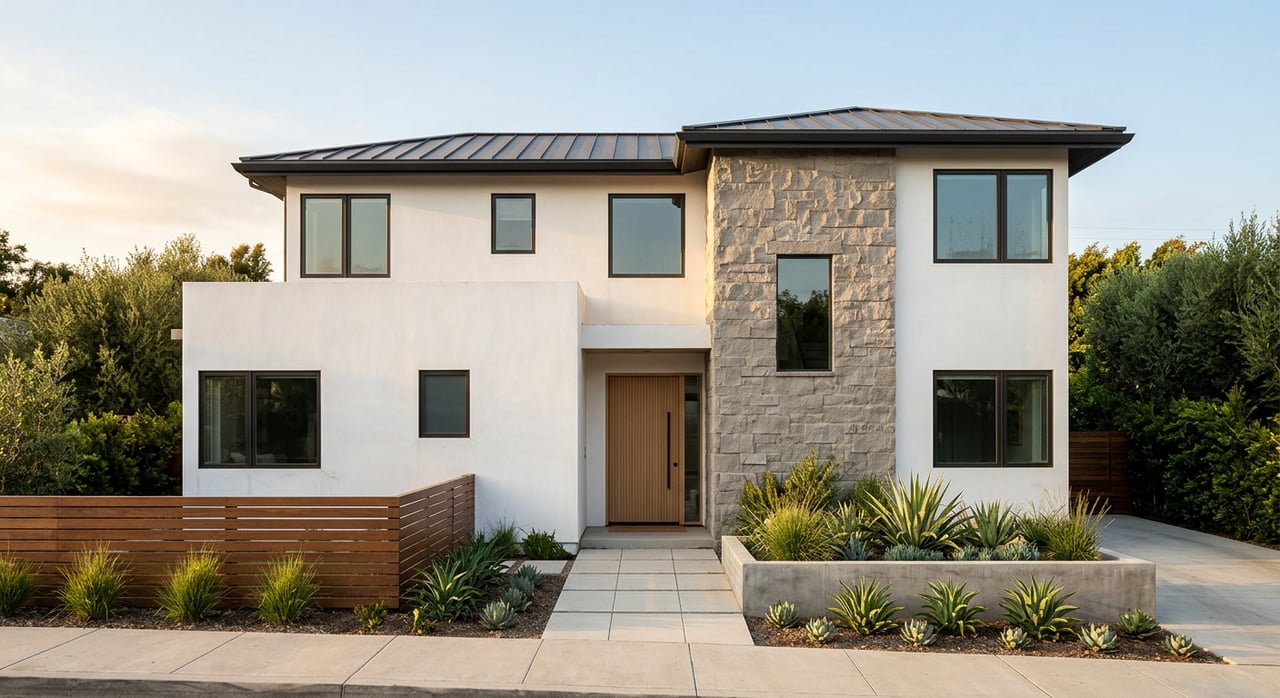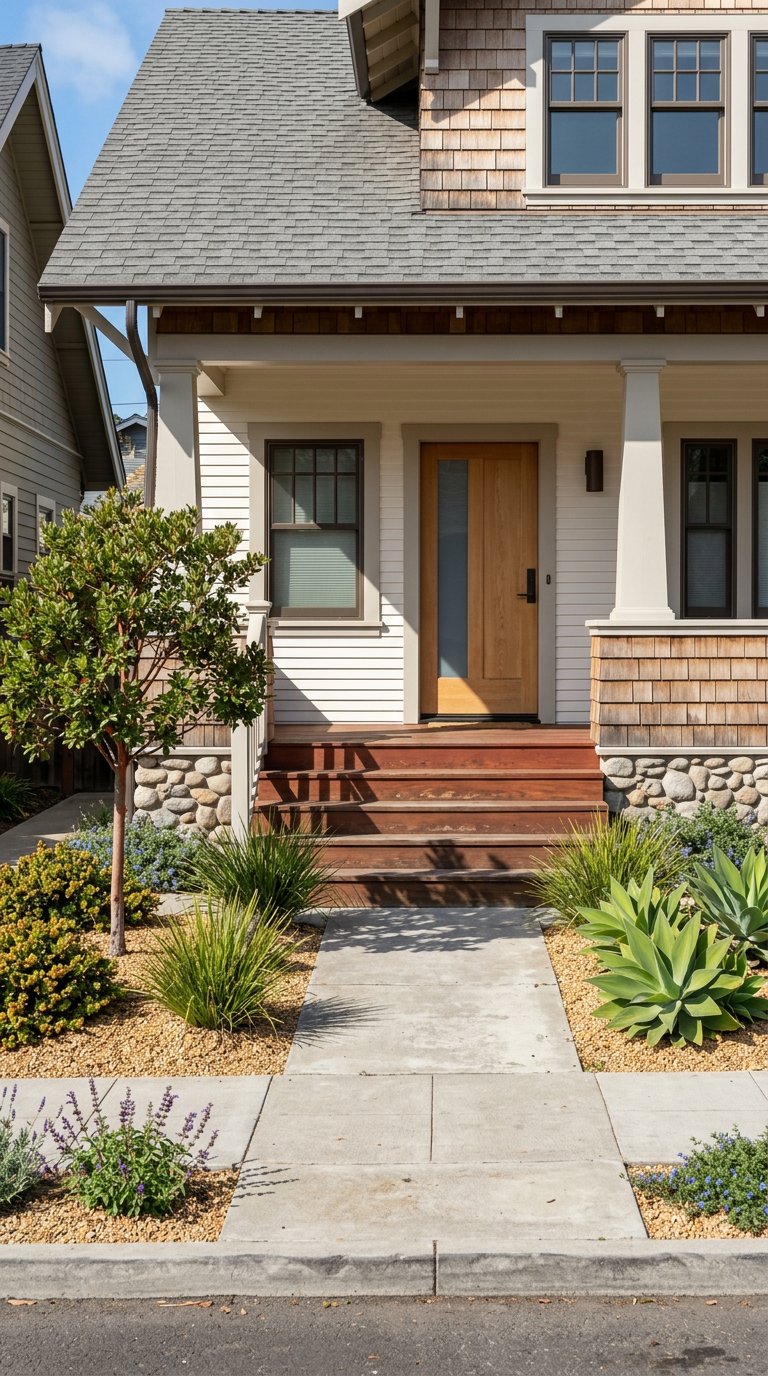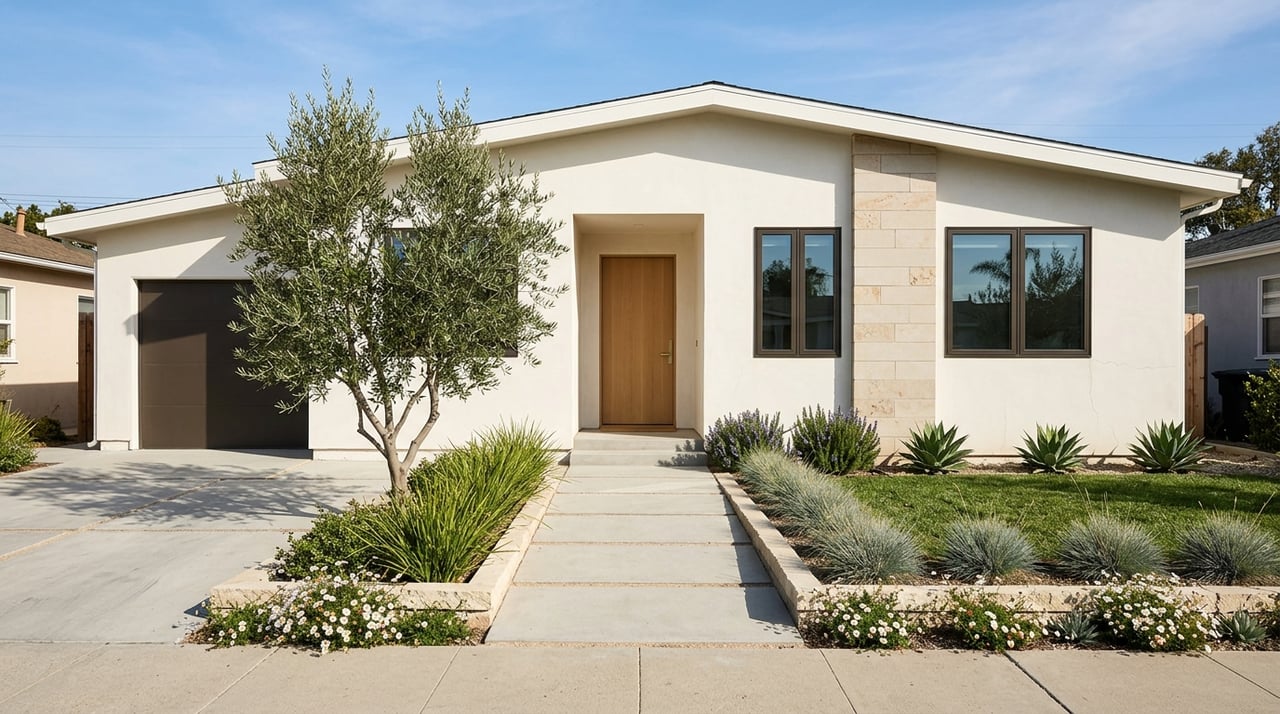
Buying your first home in Hayward can feel like trying to solve a puzzle while the pieces keep moving. You want a good location, a payment you can live with, and a clear plan to win an offer. In this guide, you’ll learn what a starter home costs in Hayward today, which areas to focus on, how commutes and HOA fees affect your budget, and which down‑payment programs can help. Let’s dive in.
What a starter costs in Hayward (2026)
Hayward’s published medians vary by source and property type, which is normal. A local MLS summary for detached homes showed a median sale price of about $790,000 in January 2026, with roughly 1.9 months of inventory and average days on market near 50–60 days. These supply and speed metrics point to modest inventory and selective competition. You can review the city and segment details in the Bay East Association of REALTORS report for January 2026.
- Detached single‑family homes: median around $790,000 as of January 2026 (Bay East MLS). See the Bay East city report.
- Portal medians: consumer sites recently showed medians in the low‑$800Ks to upper‑$800Ks range as of January to February 2026. Differences come from data windows and whether condos are included.
- Starter price bands to watch in Hayward:
- Condos and smaller attached homes: commonly about $350,000 to $500,000, which is the most frequent entry point for first‑time buyers.
- Small single‑family homes or fixers: often from the high $600Ks through the mid $900Ks, depending on location and condition.
Tip: Median sale price is the midpoint of sold prices in a period. It is helpful for trend spotting, but your actual target price will depend on micro‑neighborhood, size, condition, and HOA costs.
Best places to look for a starter
Near BART and downtown Hayward
If you value transit and walkability, focus near the Hayward and South Hayward BART stations. You will see more condos and townhomes, plus a shorter transit link to Oakland or San Francisco. Expect smaller interiors and monthly HOA dues in exchange for convenience. For station information, visit the Hayward BART station page.
South Hayward, Winton, and Mission corridors
These corridors offer a mix of attached and detached homes and quick access to major freeways. You may find a broader range of prices and floor plans here. Inventory shifts week to week, so set alerts and tour early.
Hayward Hills and Highlands
You will trade longer uphill drives for more lot space and larger homes. Prices can be higher per square foot in hillside pockets. If you value space and views over commute time, keep this area on your list.
For a deeper look at housing resources and planning, you can review the City of Hayward’s housing materials, which outline where attached and infill homes often appear. Explore the city’s housing resources page.
Commute and transit snapshot
BART is a major advantage for Hayward buyers who work across the Bay. Typical BART rides from Hayward to central San Francisco stations often run about 35 to 45 minutes depending on line and timing. You can confirm schedules on the BART station page and use a trip planner. A sample planner route shows roughly 39 minutes for common routings, though you should verify live times with your exact stops. Try a Moovit sample route to gauge timing.
Driving times vary a lot with rush hour and carpool access. If you plan to drive, test your route during a typical weekday commute window before you write an offer.
Financing and assistance for first‑time buyers
County and state down‑payment help
- Alameda County AC Boost. This down‑payment assistance program offers shared‑appreciation loans to eligible first‑time buyers in Alameda County, which includes Hayward. Review program criteria, income limits, and counseling referrals on the county site. Learn more about AC Boost and county buyer resources.
- CalHFA programs. The state’s MyHome Assistance Program provides a deferred subordinate loan that can reduce your cash to close. CalHFA also runs periodic shared‑appreciation programs such as Dream For All, which reopened cycles in 2026 with a lottery‑style process. Check eligibility windows, income and loan limits, and approved lenders directly with CalHFA. Start with the CalHFA MyHome overview.
Pro tip: Many assistance programs require homebuyer education and specific lender partners. Start your application and education steps early so you can move fast when you find the right home.
Loan types in plain English
- Conventional with PMI. Low‑down conventional loans work well if you have strong credit. You will pay private mortgage insurance until you reach required equity, but the monthly cost can still pencil out well compared to higher down payments.
- FHA. FHA loans allow as little as 3.5% down with qualifying credit. There is mortgage insurance for the life of the loan in most cases, so weigh the monthly tradeoff. Read a simple overview of FHA minimum down payments.
- VA. If you are eligible through military service, VA loans can allow zero down, subject to entitlement rules and property requirements. See a plain‑language guide to VA eligibility and steps.
Rates change often. Align your pre‑approval with today’s pricing before you tour so your payment estimate is current.
Make a strong offer without overreaching
Get fully pre‑approved
Ask your lender for a true pre‑approval that is price‑specific and underwriter‑reviewed when possible. This shows sellers you are ready, with verified income, assets, and a clear cash‑to‑close path. Learn why a stronger letter helps in tighter markets in this buyer readiness overview.
Keep smart, protective contingencies
Common contingencies in California include loan, appraisal, inspection and investigations, HOA and CC&R review for condos, and title review. Timelines are set in the California Residential Purchase Agreement and related addenda. Typical inspection windows range from several business days to about 7 to 15 days depending on the contract. You can review the structure of the standard forms here: California Residential Purchase Agreement reference.
If you consider removing or shortening a contingency to compete, do it only with full awareness of the risk and after you have key information.
Ask for targeted credits
Instead of raising price across the board, consider targeted requests that preserve appraisal success and monthly affordability. Examples include a closing cost credit, a lender rate buydown, or asking the seller to address a specific repair. Your agent can model net‑to‑seller math to find win‑win ground.
What to look for during tours
Older Hayward homes often date from the 1950s to 1970s, so plan for basic system checks. For condos and townhomes, review the HOA’s financials early.
Create a quick tour checklist:
- Roof age, overall condition, and visible signs of leaks.
- Electrical panel type, GFCI presence, and general system age.
- Sewer lateral access and condition. Ask about recent inspections or repairs.
- Heating and cooling age, filter condition, and service history.
- Permitted versus unpermitted work. Request permit history when available.
- HOA dues, reserves, special assessments, and rules for condos/townhomes.
You can find local housing resource links and planning context on the city’s housing resources page.
Quick checklist and next steps
Before you tour:
- Get a price‑specific lender pre‑approval and collect pay stubs, W‑2s, tax returns, and bank statements.
- List your nonnegotiables: commute time, parking, yard or outdoor space, and condo versus single‑family.
- Estimate property taxes. Alameda County’s base is about 1% of assessed value, plus local assessments. In Hayward, the effective total rate commonly runs near 1.15% to 1.20%, depending on the parcel. Review a county primer on Alameda County property taxes.
When you tour:
- Track condition notes and confirm recent permits.
- For condos, request HOA budgets, reserves, and recent meeting minutes as early as possible.
When you make an offer:
- Pair your offer with a strong pre‑approval letter and a clear, organized package.
- Set realistic escalation limits and keep critical contingencies in place until after inspections, unless you accept the added risk.
- Know your closing costs and cash‑to‑close so you can respond fast if the seller counters.
If you want calm, organized guidance and a clear plan to win in Hayward, connect with Apsara Oswal. You will get data‑based pricing advice, neighborhood context, and a step‑by‑step path from search to keys.
FAQs
What is the current Hayward starter home price in 2026?
- As of January–February 2026, condos often list around $350,000 to $500,000 and small single‑family homes range from the high $600Ks to mid $900Ks, while the Bay East MLS shows a $790,000 detached median for January 2026.
How long does BART take from Hayward to San Francisco?
- Typical BART trips from Hayward to central San Francisco stations run about 35 to 45 minutes depending on route and timing; confirm schedules on the BART station page or a trip planner.
Which Hayward areas are good for first‑time buyers on a budget?
- You will see more entry‑level options near the Hayward and South Hayward BART stations and along South Hayward, Winton, and Mission corridors, while hillside pockets often trade higher for added space.
What is Alameda County’s AC Boost program for Hayward buyers?
- AC Boost offers shared‑appreciation down‑payment loans to eligible first‑time buyers in Alameda County; review criteria and next steps on the county site.
How do HOA dues affect a Hayward condo purchase?
- HOA dues cover shared expenses and reserves, which adds to your monthly cost; always review budgets, reserves, any special assessments, rules, and insurance coverage before you remove contingencies.
Which contingencies should first‑time buyers keep in California?
- Common protective contingencies include loan, appraisal, inspections, HOA/CC&R review for condos, and title review; timelines and removal steps are set in the California RPA.
How much are property taxes for Hayward homes?
- Expect about 1% base plus local assessments, which often results in an effective rate near 1.15% to 1.20% in Hayward; confirm for your specific parcel using county resources and this property tax primer.