If you’re weighing a move to Oakland, you’re likely asking two big questions: What does daily life actually feel like, and which neighborhoods fit the way you live? You want clear, practical details on commutes, parks, dining, and home styles so you can picture your week, not just your address. In this guide, you’ll learn how Oakland’s distinct pockets flow from morning coffee to weekend hikes, what commuting really looks like, and how common home types shape your routine. Let’s dive in.
How Oakland feels day to day
Oakland centers on three anchors that shape everyday life: a compact downtown and waterfront, the Lake Merritt corridor, and quiet, tree-lined hills to the east. These areas create easy walking loops by the water, reliable transit corridors for work, and quick escapes into the hills for weekend resets. The result is a patchwork city where two neighborhoods just a few miles apart can deliver totally different rhythms. Your experience will depend on where you live and how you like to move through your day.
Neighborhood vibes at a glance
Downtown, Uptown, Old Oakland, Lake Merritt
If you want an urban rhythm, this core delivers theaters and venues, restaurants and cafés, and a lively evening scene. Lake Merritt doubles as a daily loop for jogs with a stroller or quick after-dinner walks. Walkability is strong and living car-light can be realistic thanks to nearby BART stations like 12th St./Oakland City Center, 19th St., and Lake Merritt. Housing skews toward mid-rise condos and lofts downtown, with historic Victorian and Edwardian blocks closer to the lake.
Jack London Square and the Waterfront
Waterfront walks, weekend farmers’ market energy, and a mix of restaurants set an easygoing, bayside pace. It’s a regional travel node too, with Amtrak at Jack London Square and a ferry landing to San Francisco, plus a short connection to BART for broader access. Expect newer condo towers and renovated warehouse lofts near the water, with older mid-century homes a bit inland.
North Oakland: Temescal, Rockridge, Piedmont Ave
These neighborhoods are known for vibrant commercial strips with cafés, independent shops, and busy dinner scenes. Many residents walk or bike for daily errands along College Ave, Telegraph, and Piedmont Ave. BART access at Rockridge and MacArthur supports quick East Bay and transbay commutes. Homes are often Craftsman bungalows and early-20th-century rowhouses, with small multifamily buildings and newer townhomes near transit.
Montclair and the Oakland Hills
If you prefer a quieter, village feel, Montclair and the hills offer local cafés, small-scale shopping, and trail access for weekend hikes. You’re still within a typical 20 to 30 minute drive to downtown depending on traffic. Housing is predominantly single-family, from storybook cottages to hillside properties with tree canopy and views.
Fruitvale, East Oakland, and Jingletown
Daily life here often centers on active neighborhood corridors like International Boulevard and Fruitvale Ave. You’ll find plentiful small markets, local eateries, and community hubs. Jack London–adjacent Jingletown adds a small arts pocket along the estuary. Homes include modest bungalows, early-20th-century houses, and lower-rise apartment buildings, with more infill development along major transit streets.
West Oakland
Close to the Bay Bridge and Port, West Oakland blends industrial heritage with creative spaces and new mixed-use pockets. You’ll see historic Victorians, warehouse conversions, and newer infill as the area evolves. Its location favors quick access to San Francisco and downtown Oakland, with an emerging restaurant and retail scene.
Getting around and commute choices
- BART: For many, BART is the backbone of commuting within the East Bay and into San Francisco. Stations at 12th St./Oakland City Center, 19th St., Lake Merritt, MacArthur, Rockridge, Fruitvale, and West Oakland connect most central neighborhoods. Use the station pages to plan walk distances and transfers on the BART stations list.
- AC Transit and Tempo: Oakland’s local and transbay bus network fills gaps between neighborhoods and BART. The Tempo bus rapid transit line on International and Telegraph improves frequency and boarding on key routes. Check maps and updates on AC Transit.
- Ferries: San Francisco Bay Ferry offers a scenic cross-bay option from Jack London Square and nearby Alameda. See crossing times and routes via the Oakland to San Francisco ferry guide.
- Amtrak: For regional trips or Sacramento-bound commutes, Amtrak’s Capitol Corridor and long-distance routes stop at Jack London Square. Review schedules and connections on the Jack London Square Amtrak station page.
- Driving: Key corridors include I-880 along the flatlands, I-580 and Highway 24 through the hills and to the interior East Bay, and I-80 across the Bay Bridge. Many residents mix driving for errands with transit for work, depending on parking needs and peak traffic by neighborhood.
- Airport access: Regular flyers value the proximity of Oakland International Airport, typically a 20 to 30 minute drive from central Oakland depending on traffic. Find ground transport options at Oakland International Airport.
Practical pattern: If you live along the Lake Merritt–downtown–Rockridge spine, you can often go car-light with BART, buses, biking, and delivery services. In hill neighborhoods and parts of East Oakland, errands usually lean more car-oriented.
Parks, waterfronts, and weekend routines
- Lake Merritt: For many households, the lake functions like a shared backyard, with a popular loop, playgrounds, and a historic bird refuge. Its setting supports year-round routines from sunrise jogs to sunset walks.
- Hill trails: Redwood Regional Park and Joaquin Miller Park offer quick escapes for trail runs and family hikes under redwoods. The East Bay Regional Park District has ongoing initiatives that keep these spaces thriving; learn more through the district’s news and updates about local redwood conservation via the East Bay Regional Park District.
- Farmers’ markets: Weekend rituals often include the Grand Lake farmers’ market on Saturdays and the Jack London Square market on Sundays. Check times and seasonal offerings at the Grand Lake farmers’ market page.
- Waterfront walks: The estuary and Jack London Square host promenades, dining, and ferry service. In waterfront neighborhoods, day-to-day life often includes short walks by the water and easy weekend outings.
What home styles mean for daily life
Oakland’s housing stock ranges from historic wood-frame bungalows to new condos and converted lofts. That variety affects how you live day to day.
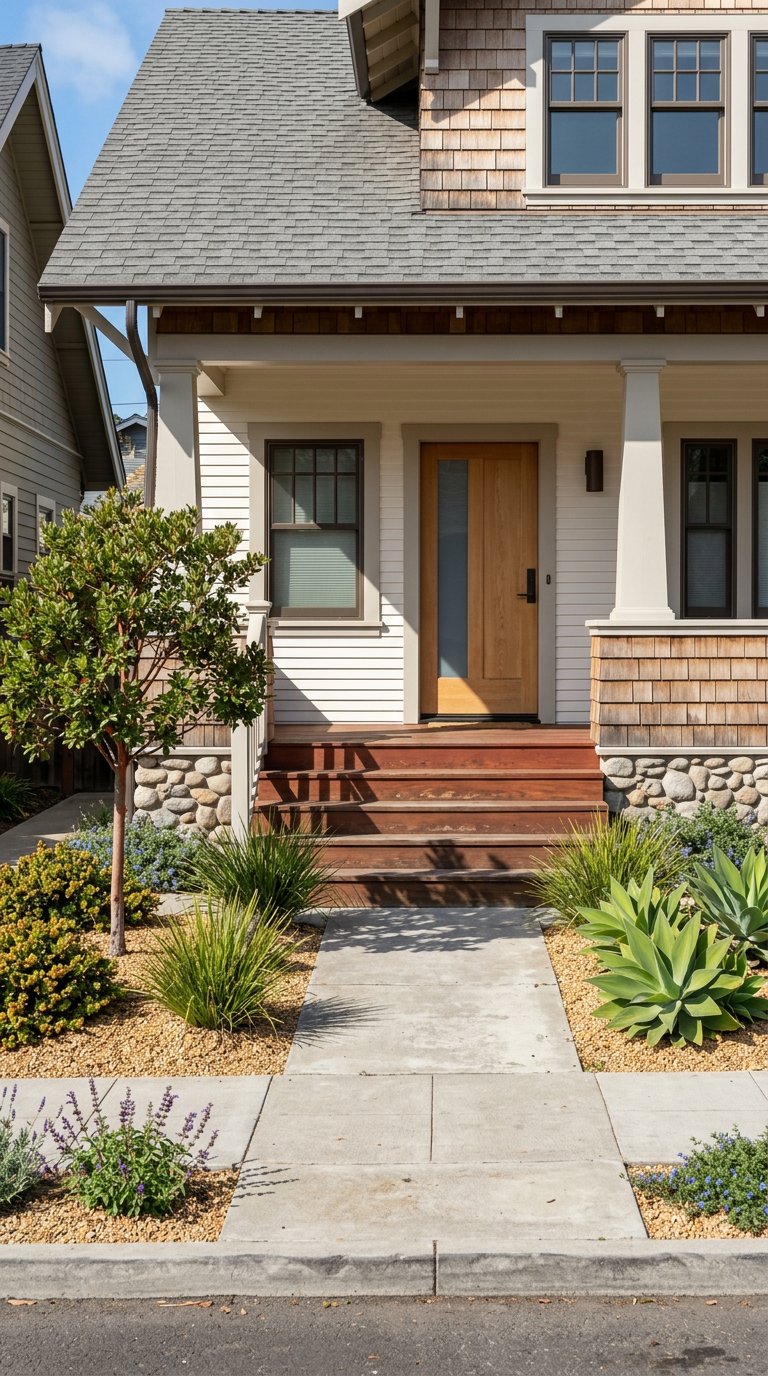
- Craftsman bungalows and early-20th-century homes: Common in North and East Oakland, these offer porches, yards, and classic details. Expect periodic maintenance and, in some cases, seismic upgrades depending on retrofit history.
- Victorians and Edwardians: You’ll find these in older neighborhoods and near the lake. Interiors can include tall ceilings and ornate trim; consider upgrade and preservation needs as part of budgeting.
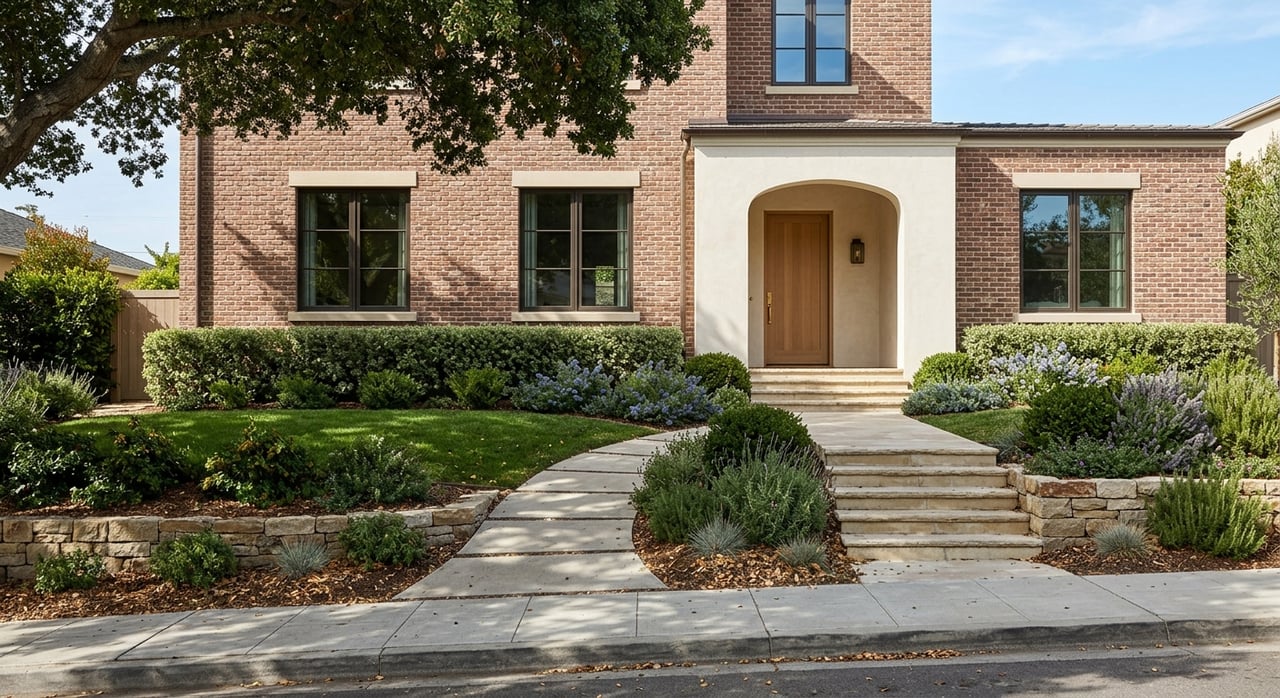
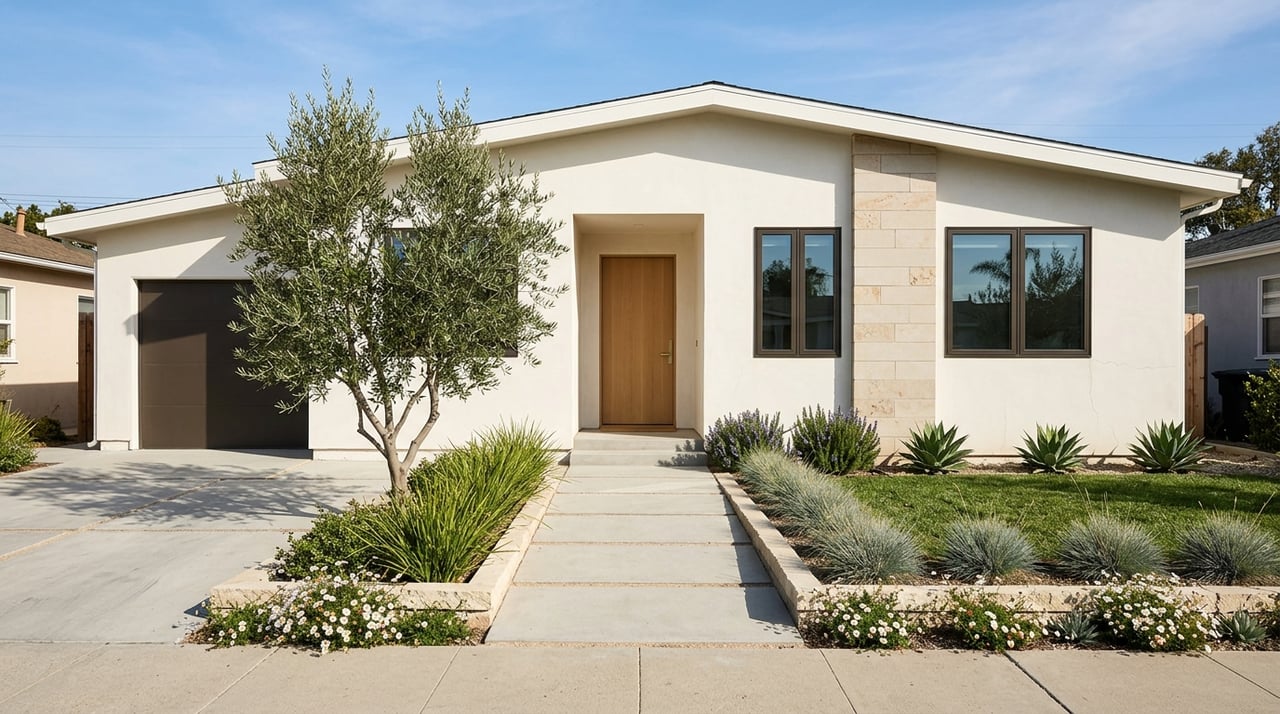
- Mediterranean, Spanish Revival, and mid-century: Scattered across hills and flatland pockets, these bring varied floor plans and site orientations. Hillside homes may involve stairs and topography in daily routines.
- Lofts and mid- to high-rise condos: Concentrated downtown, along the port, and in Jack London, these trade yard space for amenities and walkability. They can simplify maintenance and put transit at your door.
For background on historic housing types and local preservation context, explore the Oakland Heritage Alliance. If you’re eyeing an older home, factor retrofit and preservation considerations into your inspection checklist and long-term plan.
Quick picks: what to expect by area
- Transit-rich and urban: Uptown, Downtown, Lake Merritt, Jack London. Think condos and lofts, walkable errands, and access to BART, ferry, and Amtrak. Add bikes and deliveries for a car-light lifestyle.
- Village and wooded: Rockridge, Piedmont Ave, Montclair. Expect bungalows and single-family homes, café-lined shopping streets, and trails a short drive away. Some errands by bike or car.
- Industrial-creative and bridge-close: West Oakland, Jingletown. Picture warehouse conversions, newer infill, and quick San Francisco access via bridge or BART.
Risks and readiness to plan for
- Earthquakes: The Hayward Fault runs through the East Bay hills. Seismic retrofit status matters for older homes and should be part of your due diligence. For a regional perspective on earthquake risk and readiness, review the Bay Area earthquake overview.
- Waterfront resilience: Low-lying waterfront areas continue to see sea-level resilience planning by regional agencies. If you’re considering a waterfront property, follow updates from agencies like BCDC for the latest policy context. A recent regional planning document offers a window into ongoing work through BCDC’s public materials.
How to choose your Oakland fit
- Map your day. List your top three daily trips: work, groceries, exercise. Then target neighborhoods that shorten at least two of them.
- Pick your transit mix. If you want a car-light lifestyle, prioritize homes within an easy walk of a BART station and review your backups on AC Transit. If you prefer to drive, plan routes to I-580, Highway 24, and I-880 and test commute times at peak.
- Match home type to routine. Crave low-maintenance and amenities? Explore downtown and Jack London condos. Want a yard and character details? Focus on bungalows and older single-family homes in North or East Oakland.
- Test weekend flow. Spend time at Lake Merritt, walk a commercial strip like College Ave, and take a quick hill hike to sense your real weekend cadence.
- Plan for upgrades. If you’re targeting older homes, budget for seismic and system updates. Use your inspection period to evaluate retrofit status and preservation factors.
When you’re ready to compare neighborhoods, outline tradeoffs, and time your move, a calm, organized plan helps you move with confidence. If you’d like tailored guidance on Oakland neighborhoods, commutes, and home types, connect with Apsara Oswal for an education-first consultation and to request a free home valuation.
FAQs
What are the main commute options in Oakland?
- BART covers most central neighborhoods, AC Transit fills gaps, ferries run from Jack London Square, and Amtrak serves regional trips, with driving on I-880, I-580, Highway 24, and I-80.
How car-dependent are Oakland neighborhoods?
- Along the Lake Merritt–downtown–Rockridge spine, many residents go car-light with BART, buses, and bikes; hill and some East Oakland areas tend to be more car-oriented for daily errands.
Where do locals go for weekend markets and strolls?
- The Grand Lake farmers’ market on Saturdays and waterfront walks at Jack London Square are popular, with Lake Merritt as an everyday loop for runs and evening strolls.
Which Oakland home styles are most common?
- Craftsman bungalows, Victorians, and early-20th-century homes are widespread, with Mediterranean and mid-century pockets and downtown/Jack London condos and lofts near transit.
What should buyers know about earthquakes and older homes?
- The Hayward Fault informs retrofit priorities; include seismic status in inspections and budget for upgrades if a home hasn’t been retrofitted.