What if your morning commute started on the water, coffee in hand, with skyline views instead of brake lights? In Alameda, that is a real option, and it shapes how you choose a home, a route, and a routine. If you want small‑city ease with big‑city access, you will find a balance here. In this guide, you will learn how ferries, neighborhoods, prices, and community rhythms fit together so you can decide if island living is right for you. Let’s dive in.
Quick facts
- Population about 78.8k in 2024, with an average commute near 31 to 32 minutes, according to U.S. Census QuickFacts for Alameda. See the snapshot.
- Three ferry terminals serve San Francisco routes: Main Street, Seaplane Lagoon, and Harbor Bay. Crossing times to downtown SF can be around 20 minutes on direct runs. Check city transit basics.
- Crown Memorial State Beach is the main shoreline park, home to Crab Cove and long Bay Trail segments. Explore the beach.
- Prices vary by source and date. Early 2026 snapshots show a city median sale price near $1.15M (Redfin, Feb 2026) and a typical home value near $1.09M with a median sale around $1.01M (Zillow, Jan 2026). Census 2020–24 estimates list a median owner‑occupied value near $1.24M. Always compare current comps.
- Signature community events include the monthly Alameda Point Antiques Faire and summertime traditions like the 4th of July parade and Sand Castle Contest. See the antiques market and city event calendar.
Getting around by water and road
Ferries that shape your commute
Ferries are a daily habit for many residents. Alameda’s Main Street, Seaplane Lagoon, and Harbor Bay terminals connect to San Francisco, with some direct routes taking about 20 minutes. Frequencies vary by terminal and time of day, so check the latest schedules before you ride. You can review routes and local transit connections on the city’s guide to getting around. Start with this overview.
Parking and last‑mile tips
Parking at ferry terminals has shifted to managed and often paid systems in recent seasons. Many riders choose to walk or bike to the dock, while others budget for daily parking. Fees, hours, and security staffing can change, so confirm the day before your trip. You can find current terminal parking details on the city’s parking page. Review ferry parking policies.
Tubes, buses, and BART access
If you drive, you will use the Posey and Webster Street Tubes to reach Oakland. They are the main vehicle links under the estuary and also affect bus routing and bike planning. There is no BART station on the island, so AC Transit buses connect you to nearby Oakland stations like Fruitvale and Lake Merritt. Learn more about the tubes’ role in daily traffic. Read about the Posey Tube and see local transit options.
Try the commute
- Pick your likely terminal and ride a weekday ferry at your target time.
- Time the walk or bike from your preferred neighborhood to the dock.
- If you plan to park, test the lot, payment process, and timing.
- Try a return trip by bus to a BART link, then compare door‑to‑door times.
Neighborhoods and home types
Gold Coast and Central Alameda
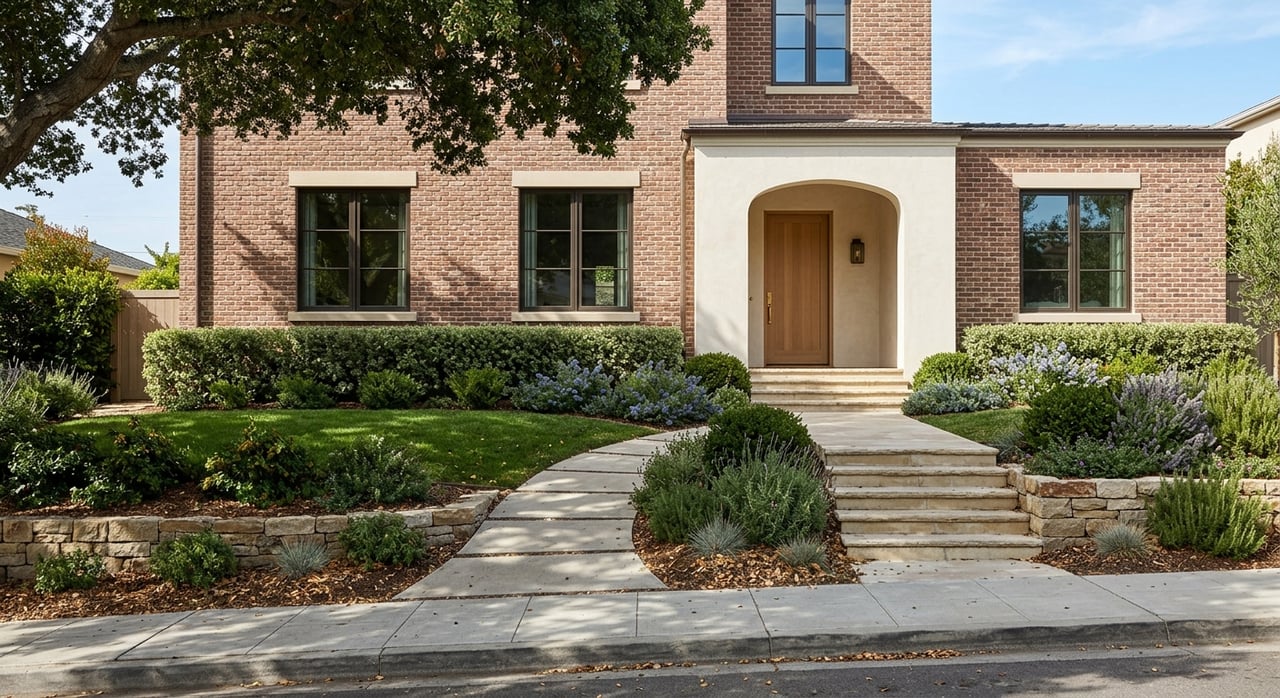
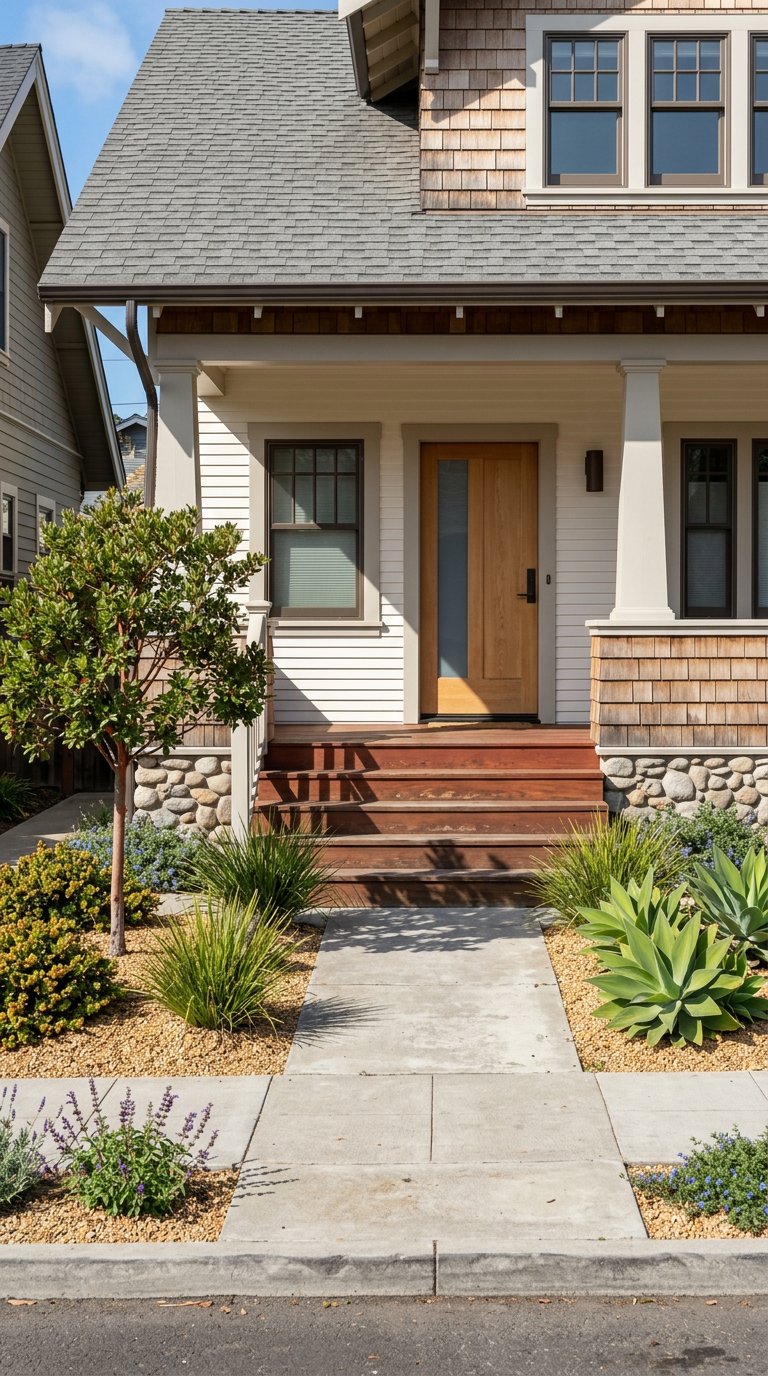
Picture leafy blocks, large Victorians, and gracious Craftsman and Colonial Revival homes. You are close to Park Street for dining, coffee, and services. Historic charm and scale tend to push prices higher here.
Fernside, East End, Bronze Coast
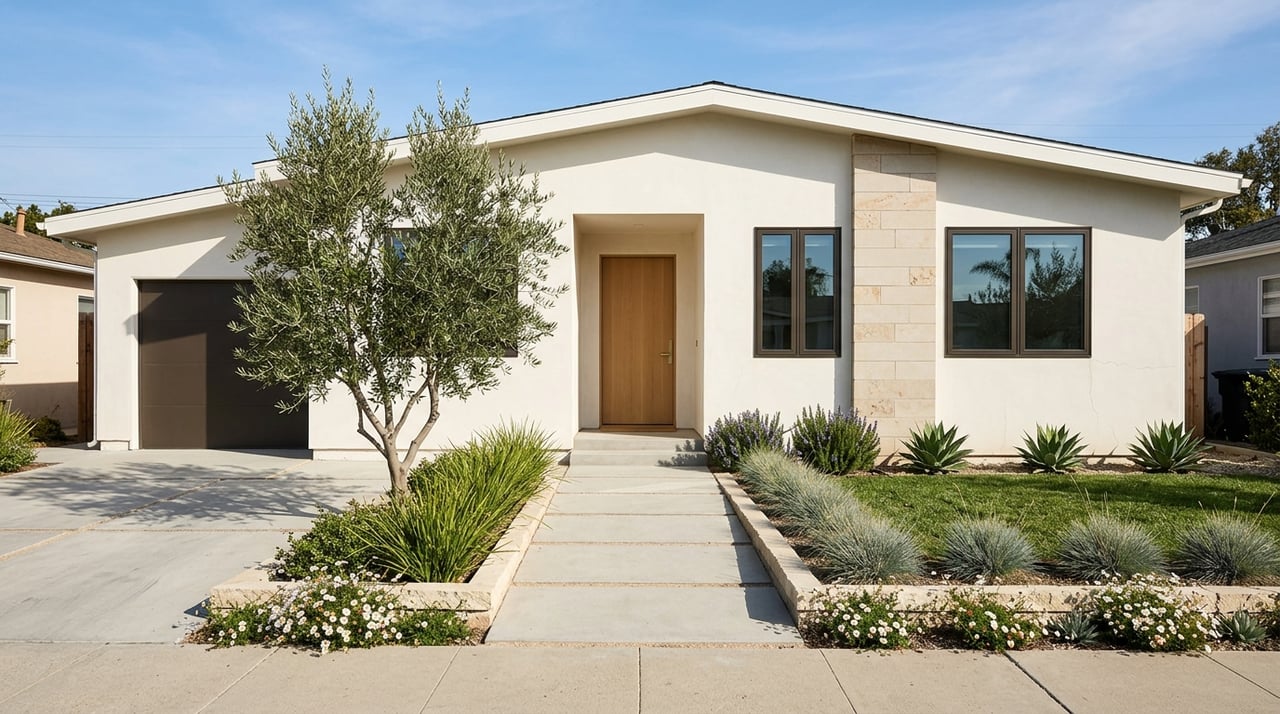
You will see early to mid‑century bungalows, ranches, and modest Craftsman homes. These blocks feel residential and practical, with quick access to Park Street. Street grids make biking or walking part of your routine.
West End and Webster Street
Older cottages and small apartment buildings mix with everyday shops and services. Webster Street works like a local high street with groceries and essentials. You are close to Crab Cove and the shoreline path for sunset walks.
South Shore
Many homes here lean toward waterfront living, including condos and apartments near the beach. South Shore Center anchors shopping and daily errands. If you want sand, open sky, and quick access to the Bay Trail, start here.
Bay Farm Island and Harbor Bay
This area offers planned neighborhoods, lagoons, and a quieter, suburban feel. The Harbor Bay ferry is a popular SF link for commuters. Golfers and walkers love Corica Park and its expansive greenspace. Learn about Corica Park’s courses.
Alameda Point
The former Naval Air Station is transforming into mixed housing and public waterfront. Seaplane Lagoon is a new ferry hub, and wide tarmac spaces host large events. The monthly Antiques Faire is a standout weekend draw for the whole region. See a city memo on the ferry terminal plan and browse the Antiques Faire details.
What everyday life feels like
Beaches and the Bay Trail
Crown Memorial State Beach offers wide sand, long views, and programs at the Crab Cove Visitor Center. The shoreline path links neighborhoods for walking, jogging, and cycling. You can take visiting friends on an easy waterfront loop any day of the week. Plan a visit to Crown Beach.
Park Street and Webster Street
Park Street is your go‑to for restaurants, shops, and the historic Alameda Theatre. Webster Street serves daily errands with an easy local pace. If you live nearby, you can handle most needs within a short walk.
Community events to know
On the first Sunday each month, the Alameda Point Antiques Faire fills the tarmac with vendors and treasure hunters. Summer brings the 4th of July parade and the Sand Castle and Sand Sculpture Contest at Crown Beach. Check the city’s event calendar for festivals and farmers markets. See what is coming up.
Housing and price context
Think in ranges and updates rather than a single number. As of early 2026, Redfin reported a median sale price near $1.15M for Alameda in February. Zillow showed a typical home value near $1.09M and a median sale around $1.01M in January. The U.S. Census QuickFacts 2020–24 estimates list a median owner‑occupied value near $1.24M. Methods differ, so treat these as signals, not rules.
Prices also vary by property type and street. Some restored Gold Coast homes sell well above the city median, including a late‑2025 sale around $3.41M. At the same time, smaller bungalows and condos in other areas can land below the median. When you are serious about a neighborhood, ask for recent, like‑kind sold comps.
Practical considerations
Shoreline resilience and planning
Much of Alameda sits near sea level, so the city invests in shoreline adaptation. If you are buying near the water, include long‑range flood risk in your due diligence and review local plans. The South Shore Adaptation Project is a good example of current work. Read the city’s conditions report.
Schools and daily logistics
Alameda Unified School District serves the city, with neighborhood campuses across the island. Many residents choose homes based on proximity to school and daily routes. For enrollment and program details, confirm with official district resources.
Timing and verification
Ferry schedules, parking fees, and security staffing can change. Before you commit to a routine, check the city’s transit and parking pages the day before. It saves time and smooths your first week. Start with transit basics and confirm ferry parking.
Try this Alameda sampler
- Walk Park Street between Lincoln and Otis to sample cafes and shops.
- Ride the Harbor Bay or Seaplane Lagoon ferry on a weekday and time your trip.
- Visit Crab Cove and the Shoreline Trail for an evening loop.
- Pull three recent sold comps in your target neighborhood and compare features.
Ready to explore your options?
If Alameda’s blend of water, walkability, and access fits your goals, let’s map the options that match your budget and commute. I will help you compare neighborhoods, test routes, and review fresh comps so you can move with confidence. Connect with Apsara Oswal to get started today.
FAQs
How does the Alameda ferry commute to San Francisco work?
- Alameda has three terminals with direct service to San Francisco on select runs, and some crossings take about 20 minutes. Check current times on the city’s transit pages.
What are my non‑car commute options from Alameda?
- Combine AC Transit buses, ferries, and bike routes, or use the Posey and Webster Street Tubes to connect to Oakland and BART. Start with the city’s transit overview for options.
What types of homes will I find in Alameda?
- Expect Victorians and large Craftsman in central blocks, early to mid‑century bungalows and ranches in the East End, waterfront condos near South Shore, planned neighborhoods on Bay Farm, and new infill at Alameda Point.
How much do homes cost in Alameda as of 2026?
- Recent snapshots show a median sale near $1.15M (Redfin, Feb 2026), a typical value near $1.09M and a median sale around $1.01M (Zillow, Jan 2026), and a 2020–24 Census estimate near $1.24M for owner‑occupied value. Always confirm current comps.
Where can I access beaches and shoreline paths in Alameda?
- Crown Memorial State Beach and the Crab Cove area anchor the shoreline, with paved paths that tie into the Bay Trail for walking, running, and biking.