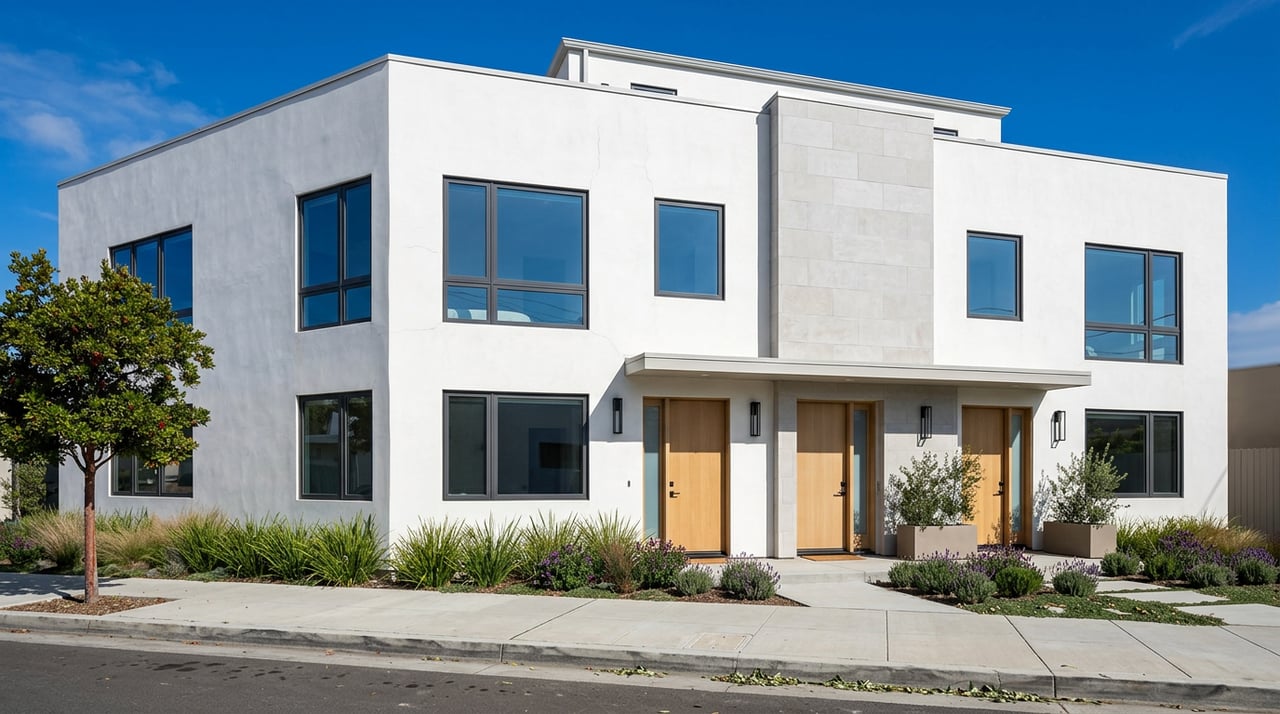
Thinking about buying a Berkeley duplex or triplex but not sure where to start? You’re not alone. In a high-cost market, small multifamily can be a smart path to lower your housing costs and build long-term wealth. In this guide, you’ll learn the building types you’ll see, the local rules that shape cash flow, how to underwrite a deal, and the financing paths new investors use. Let’s dive in.
Berkeley small multifamily at a glance
As of January 2026, Zillow’s index puts typical Berkeley home values near the mid–$1.3 million range. Incomes are supported by average asking rents around $2.9k to $3.0k. These numbers show why you should expect small multifamily to trade at or above single-family prices when income is strong. You can review the latest local value and rent context on Zillow’s Berkeley page.
- Typical value reference: see the Zillow Home Value Index for Berkeley (Jan 2026).
- Asking rent context: use recent asking rents and Fair Market Rent benchmarks when modeling income.
- Cap rates in Bay Area gateway markets tend to be lower than in secondary markets. For trend context, review CBRE’s national cap rate survey and confirm local ranges with your agent.
Zillow’s Berkeley home value and rent context
CBRE U.S. Cap Rate Survey (H2 2025)
Property types you’ll see
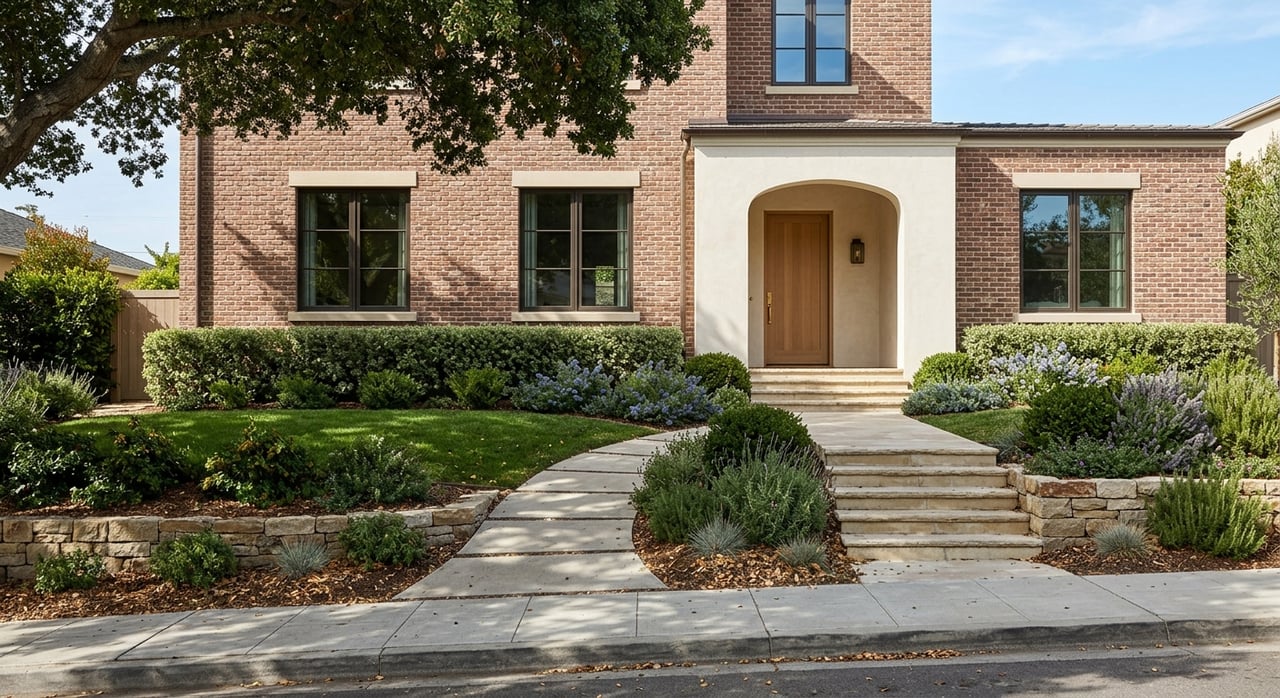
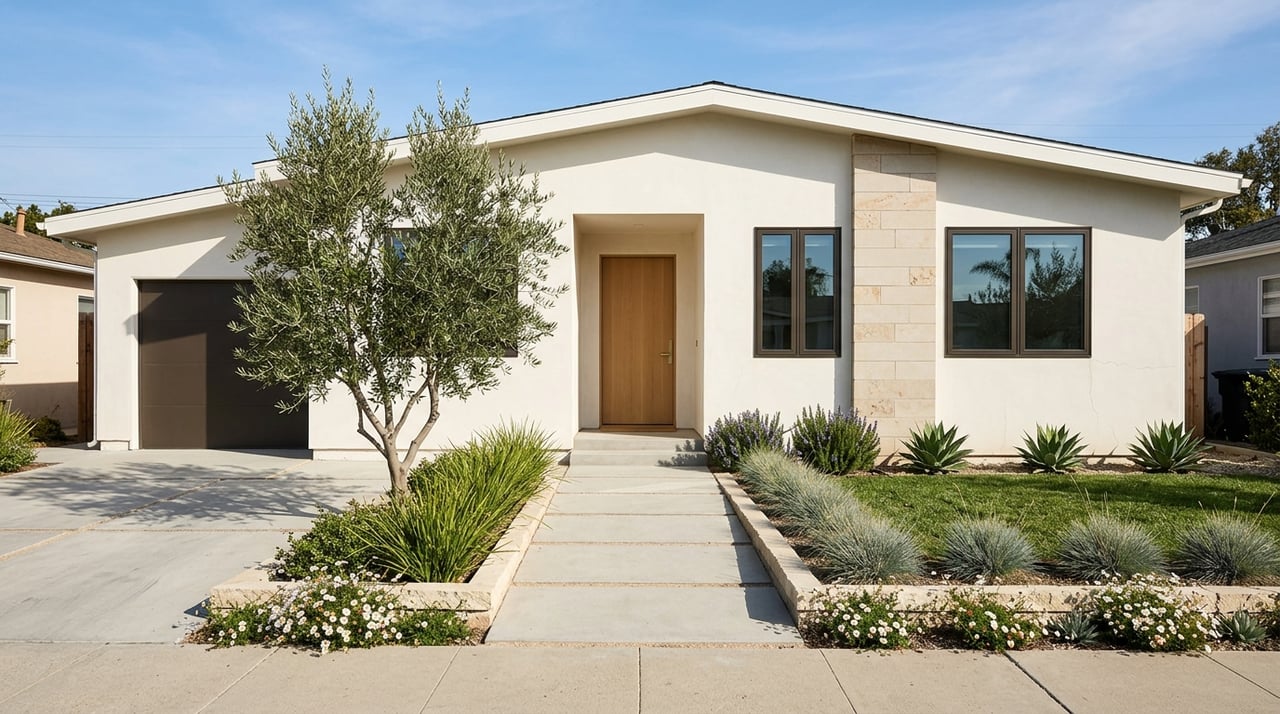
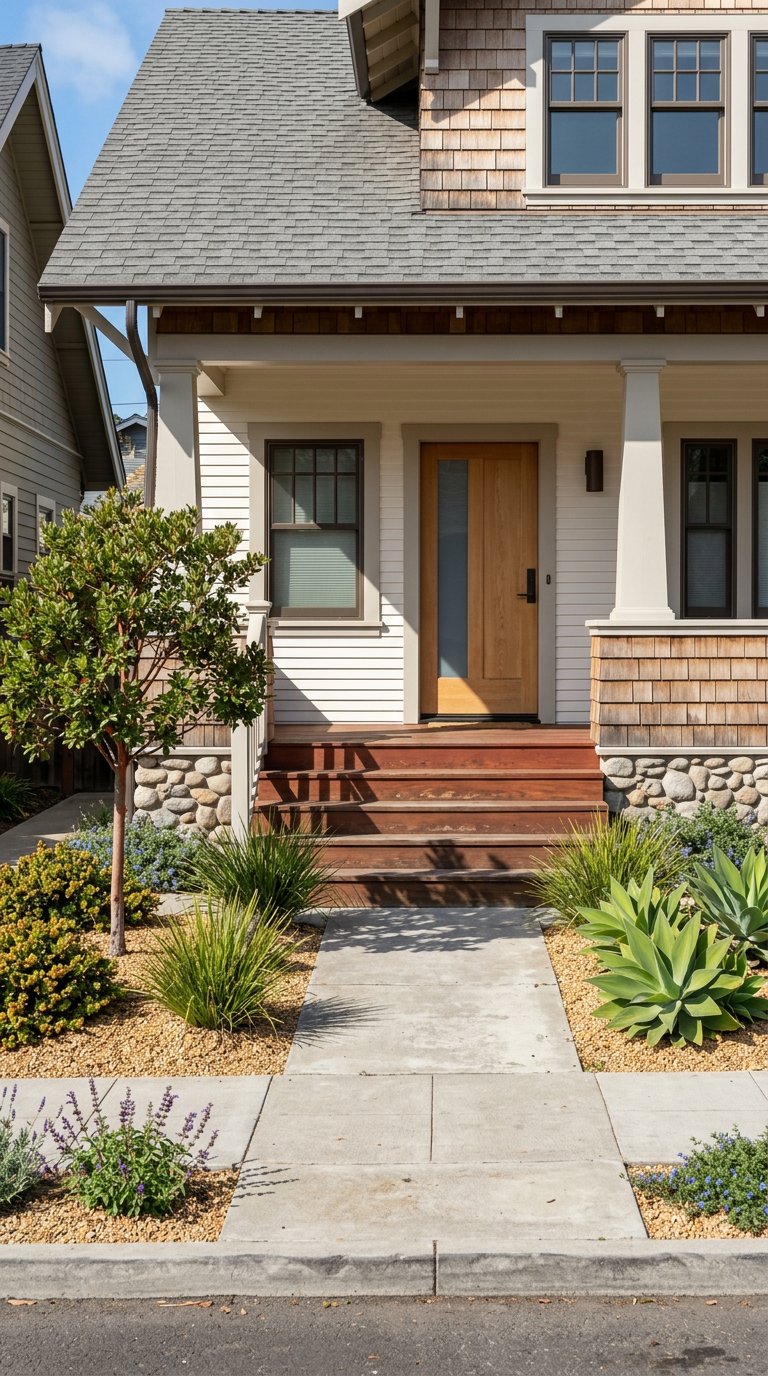
Most small multifamily in Berkeley are duplexes, triplexes, or fourplexes. Many are older wood-framed buildings with classic character. Expect a mix of separate-unit layouts and past conversions. Always confirm permits and legal unit status during due diligence.
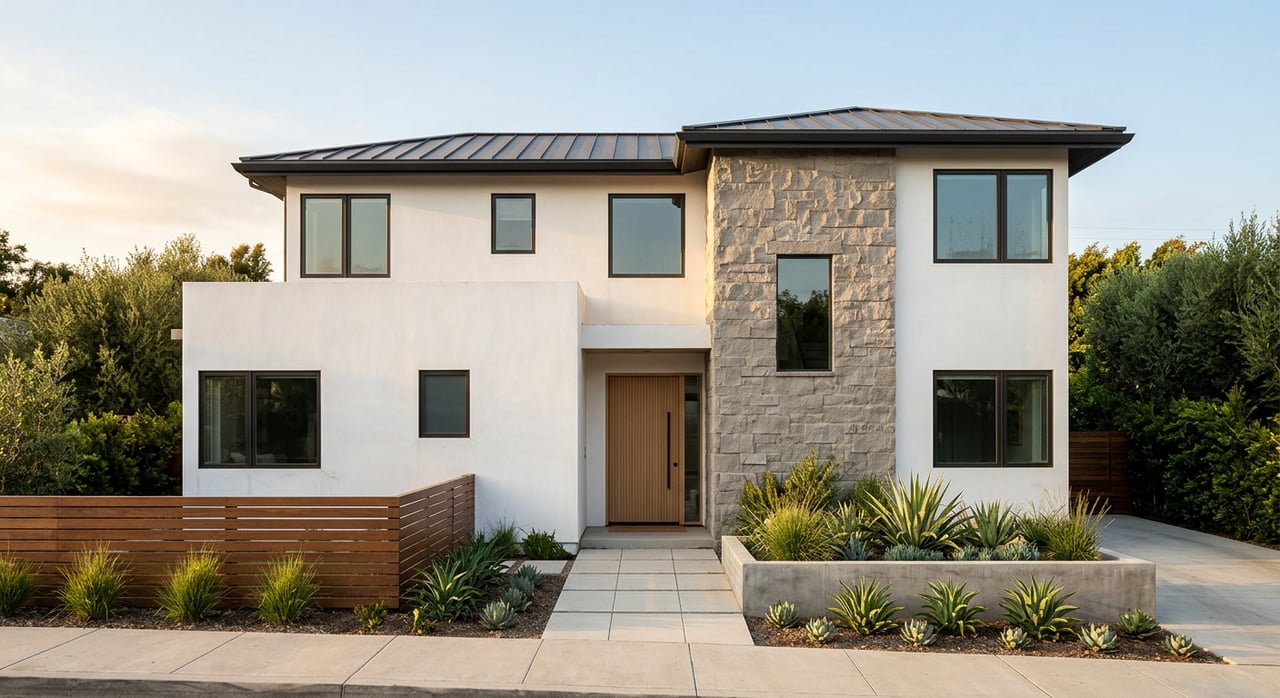
New “middle housing” rules, effective November 1, 2025, allow duplexes, triplexes, fourplexes, and small courtyard apartments by a ministerial path in many areas. If you’re considering adding units, review the city’s Middle Housing page and call Planning early for objective standards and eligibility.
Accessory Dwelling Units (ADUs) are also common. Owners sometimes pair an owner-occupied duplex or triplex with an ADU to grow income. Follow state and city ADU rules, and line up permits before you start.
Berkeley Middle Housing overview
The local rules that shape returns
Berkeley has strong rent control and just-cause protections. Measure BB (passed November 2024) amended the Rent Ordinance and added new protections and requirements. This affects vacancy turnover, allowable increases, and notices. Before you make an offer, confirm coverage and registration rules with the Rent Board.
Short-term rentals are allowed only in limited cases, often only in your primary residence with registration and tax collection. Do not underwrite a deal with short-term rental income until you confirm eligibility with the city’s STR rules.
Berkeley’s city transfer tax is tiered. Plan for both city and county transfer taxes at closing. The city also offers a partial transfer tax rebate for qualifying seismic or home-hardening upgrades, which can help offset retrofit costs.
Finally, state law SB 9 can allow ministerial lot splits and two-unit projects, subject to local implementation and exclusions. It interacts with Berkeley’s Middle Housing rules, so verify site-specific details with Planning.
- Berkeley Rent Board — Measure BB update
- Berkeley short-term rental rules
- Berkeley property transfer tax and seismic rebate info
- California SB 9 law text
How to underwrite income in Berkeley
Start with a clear, conservative pro forma. Build it line by line.
- Gross Scheduled Income (GSI): total monthly rents if fully leased, annualized.
- Vacancy: use a local allowance, often 5 to 10 percent depending on unit mix and tenant base.
- Net Operating Income (NOI): GSI minus vacancy and operating expenses.
- Cap rate: NOI divided by price. Use local data to benchmark and CBRE’s survey for trend context.
- GRM: price divided by annual GSI. Useful for quick screening, not a replacement for NOI.
- Cash-on-Cash: annual pre-tax cash flow divided by cash invested.
- DSCR: NOI divided by annual debt service. Lenders may set minimums for certain investor loans.
Use recent asking rents for each unit type and cross-check with Fair Market Rents for a floor reference. Then price your risk: older Berkeley buildings often need larger reserves for roof, foundation, plumbing, electrical, and seismic work.
Quick example: duplex screen
- Purchase price: $1,200,000
- Rents: $3,000 and $2,800 per month = $69,600 GSI
- Vacancy at 5 percent: −$3,480 → Effective gross income: $66,120
- Operating expenses at 40 percent of EGI: −$26,448 → NOI ≈ $39,672
- Cap rate: ≈ 3.3 percent
- If debt service is about $78,000 per year, cash flow is negative.
This is typical of Bay Area gateway markets. It is why many buyers choose owner-occupant financing, value-add upgrades on turnover, or a longer hold timeline to make the math work.
Financing paths for first-time buyers
Owner-occupant loans can be powerful if you plan to live in one unit.
- FHA 203(b): as low as 3.5 percent down for qualified buyers on 1–4 units, with occupancy rules. For 3–4 units, FHA adds self-sufficiency tests. Always confirm current rules with your lender.
- Conventional owner-occupied: recent changes expanded access, and many lenders now offer 5 percent down paths for 2–4 units with automated approvals. Ask about reserves, income treatment, and credit score thresholds.
- VA: eligible veterans can finance up to 4 units with occupancy requirements.
If you will not live in a unit, expect higher down payments and tighter underwriting. Some lenders offer DSCR-focused loans that underwrite property cash flow rather than W‑2 income. For heavy rehab or seismic work, short-term bridge or construction financing can help you reach stabilization before a refinance.
Practical lender questions to ask:
- Will the loan be underwritten as residential (1–4 units) or commercial?
- How will you count rental income (market rent schedule vs. signed leases)?
- What vacancy/expense deductions and reserve requirements will you apply?
- What are the current conforming and FHA loan limits for Alameda County by unit count?
Conventional 2–4 unit owner-occupied guidance
Value-add and long-term plays
House-hacking works in Berkeley. Live in one unit and rent the others to reduce your monthly cost while using owner-occupied financing. Plan carefully around just-cause and rent-control rules, and time any renovations with proper notices and permits.
Light value-add on turnover can boost income where allowed. Examples include refreshed kitchens and baths, better lighting, and separate utility metering. Track all registration requirements and document upgrades.
Seismic and building systems matter in older stock. Plan for engineering, permits, and potential temporary relocation. The city’s transfer tax rebate for qualifying seismic or home-hardening work can help offset costs.
Due diligence checklist
Use this list to tighten your underwriting and reduce surprises:
- Confirm unit coverage under the Berkeley Rent Ordinance and Measure BB updates with the Rent Board.
- Pull recent duplex/triplex comps in the same micro-area to estimate achievable rents and GRM.
- Obtain the rent roll, leases, and security deposit records. Verify utility responsibility by unit.
- Inspect structure and systems: roof, foundation, seismic, electrical, plumbing, gas lines, HVAC.
- Check city permit history for unpermitted conversions. Confirm legal unit count.
- Budget city and county transfer taxes, and check if you qualify for the seismic/home-hardening transfer tax rebate.
- If using FHA or conventional 2–4 unit financing, get pre-approval that reflects rental income treatment and any 3–4 unit self-sufficiency tests.
Ready to explore Berkeley duplexes and triplexes with a clear plan? Let’s map your budget, financing options, and a step-by-step offer strategy that fits local rules. Reach out to Apsara Oswal for a calm, data-driven consultation tailored to your goals.
FAQs
What price range should I expect for Berkeley duplexes?
- Zillow’s index shows typical Berkeley home values around the mid–$1.3 million mark as of January 2026. Small multifamily often trades at or above single-family pricing when income is strong.
How much rent should I model per unit in Berkeley?
- Zillow reports average asking rents near $2.9k to $3.0k as of January 2026; cross-check with local comps and use Fair Market Rents as a conservative floor when building your pro forma.
Do Berkeley rent control rules cover duplexes and triplexes?
- Many units are covered, but coverage depends on factors such as construction date and exemptions. Confirm each unit’s status and registration requirements with the Berkeley Rent Board.
Are short-term rentals allowed in non-owner units in Berkeley?
- Short-term rentals are restricted and typically limited to your primary residence with registration and tax collection. Review the city’s STR rules before assuming any STR income.
How do Berkeley transfer taxes affect my closing costs?
- The city has a tiered transfer tax, in addition to county taxes. Budget for both, and see if you qualify for the city’s seismic or home-hardening transfer tax rebate when planning upgrades.
Can I buy a triplex with 5 percent down as an owner-occupant?
- Many lenders now offer 5 percent down conventional options for 2–4 unit owner-occupied purchases with automated approvals. Ask your lender about reserve, income, and credit requirements.