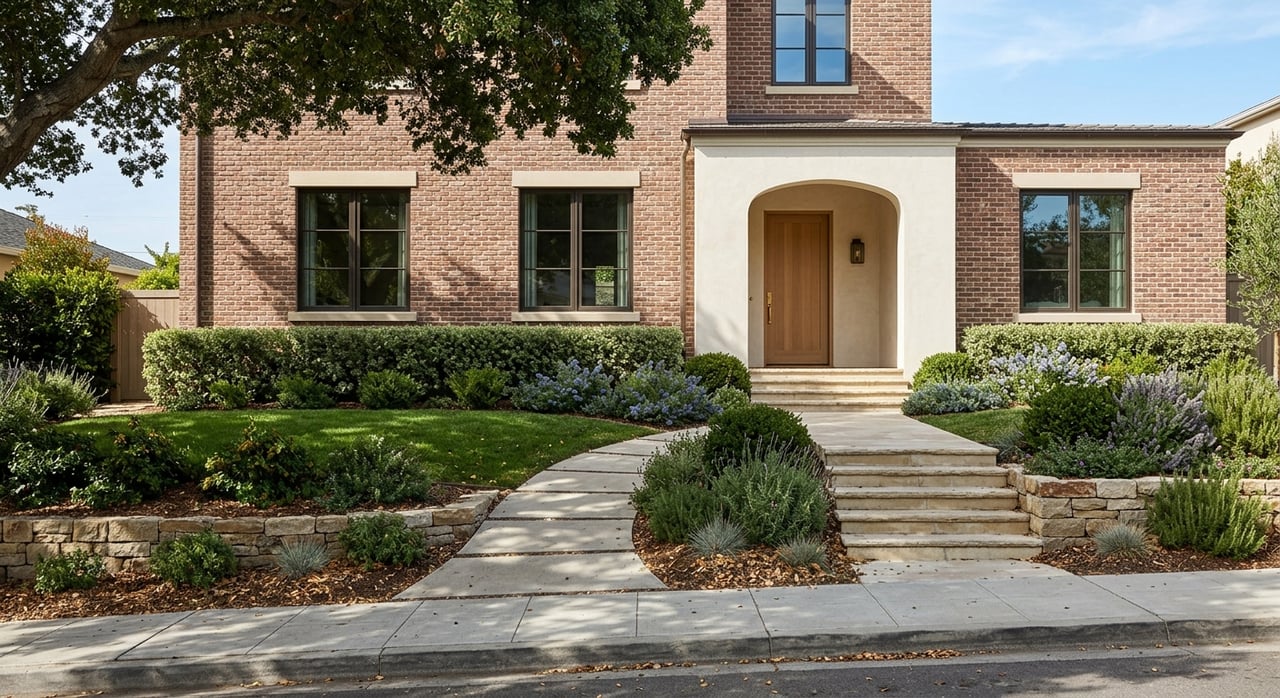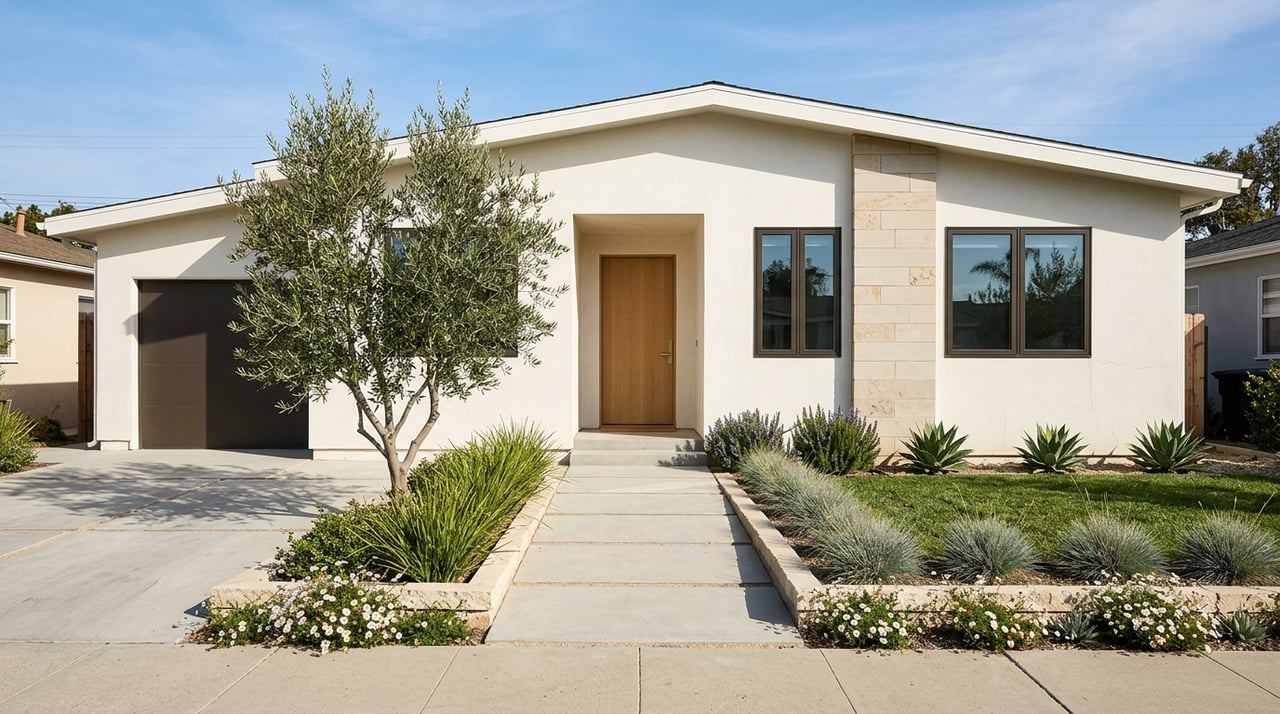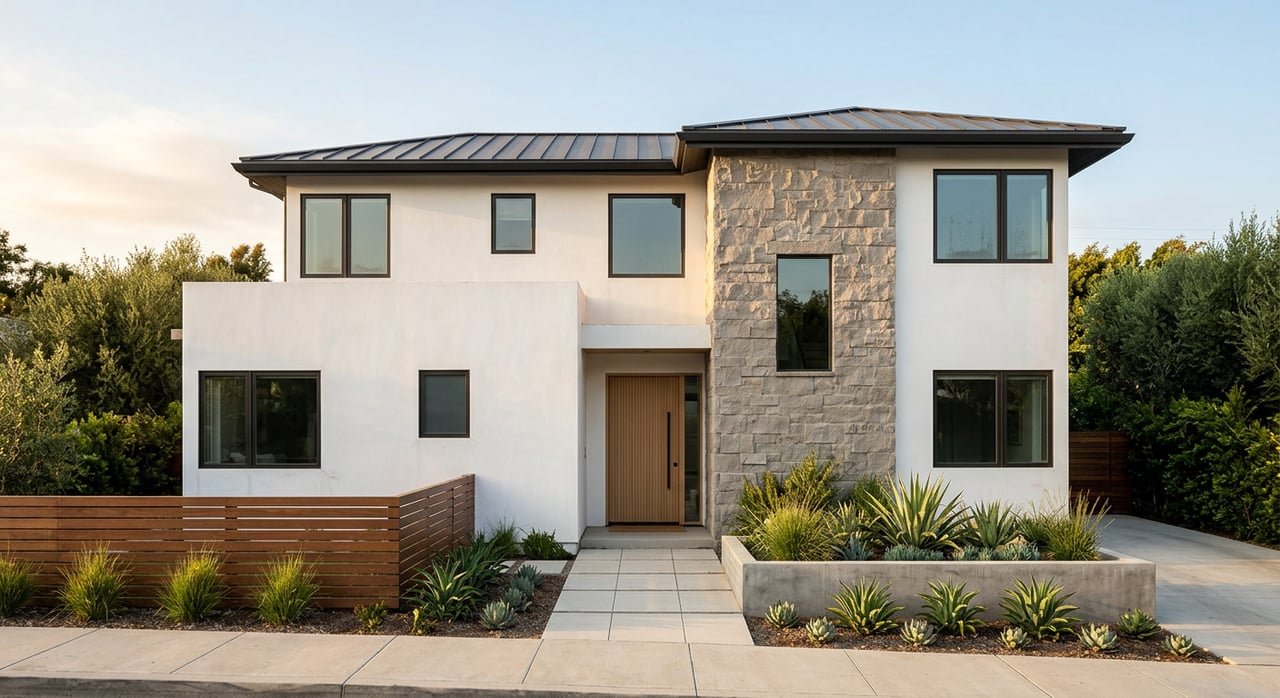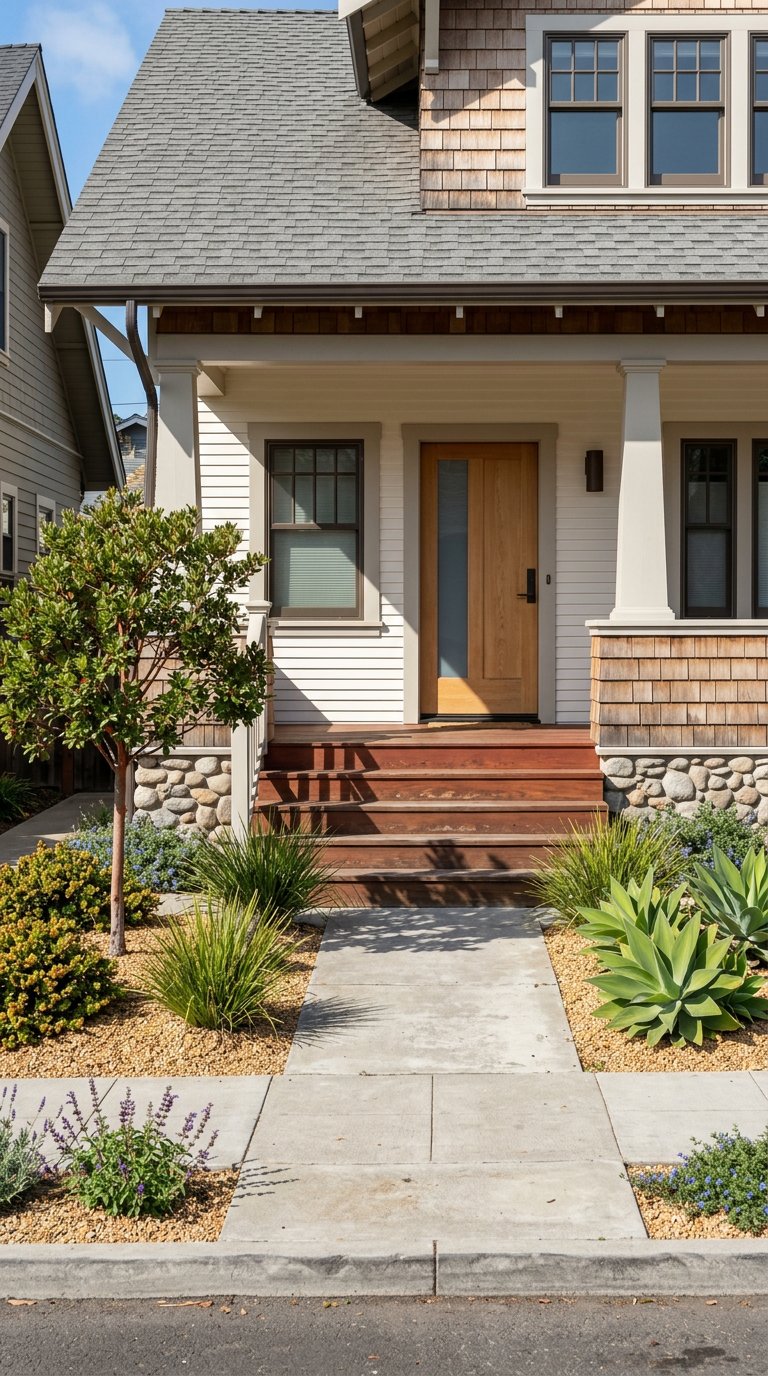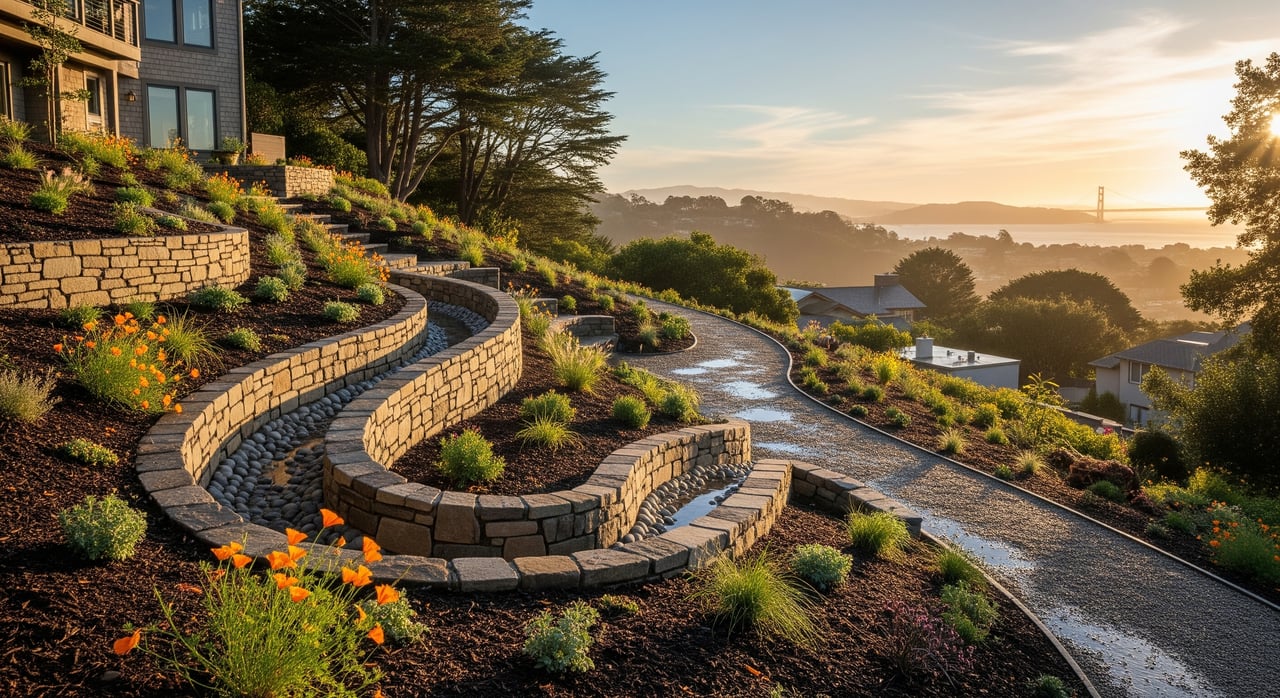
Heavy rain can turn a Mill Valley hillside into a fast-moving stream across your yard. If water is carving ruts, pooling near your foundation, or pushing against a retaining wall, you feel the stress. In this guide, you’ll learn which permits you may need, how swales and other drainage options work on slopes, and the safety signals that tell you to call a pro. Let’s dive in.
Know your jurisdiction first
Some addresses with a Mill Valley mailing label are actually in unincorporated Marin County. The rules and permit office change based on location. Before you plan work, confirm whether your property is inside city limits using the City’s permit process resources and contact information on the City of Mill Valley permit application process page.
If you are inside city limits, the City reviews grading, building, and encroachment permits. If you are in unincorporated Marin County, Marin County Public Works manages grading permits and inspections.
Permits you may need for hillside drainage
For most grading, excavation, fill, or drainage changes inside Mill Valley, you will likely need a City grading permit. Submittals typically include civil plan sheets, an erosion and sediment control plan, a construction management schedule, and a geotechnical or soils report, as outlined on the City of Mill Valley Grading Permits page.
Mill Valley’s municipal code lists limited exemptions, such as small earthwork volumes and gentle slopes. For example, work under 50 cubic yards and on slopes under 10 percent may be exempt in some cases. Always confirm with staff since details matter. See the Mill Valley municipal code for grading for context.
If your drainage work affects the public right of way or city storm infrastructure, an encroachment permit is required. Learn more on the City’s encroachment permit page.
In unincorporated areas, Marin County Public Works oversees grading permits and inspections under MCC §23.08. Review the County’s process on the Marin County grading permit page.
Near creeks? Plan for more approvals
Work in or near a creek often triggers extra permits and longer timelines. You may need a Lake and Streambed Alteration agreement from California Department of Fish and Wildlife, a U.S. Army Corps of Engineers permit, and a Regional Water Board water quality certification. The countywide program recommends early coordination and notes that permits can take 90 days or longer. See the county’s guidance on the MCSTOPPP creek restoration and permitting page.
Stormwater rules for larger projects
If your project disturbs 1 acre or more (or is part of a larger common plan), you must obtain coverage under the State’s Construction General Permit, prepare a SWPPP, and use a qualified stormwater professional. Find the requirements on the State Water Board Construction Stormwater Program page.
Practical drainage design that works on hillsides
Start with source control
Begin by controlling water at the source. Disconnect and direct roof downspouts into landscaped areas or rain barrels instead of sending concentrated flows down slope. The local motto is simple: slow it, spread it, sink it. Explore options on the MCSTOPPP rainwater capture and management page.
Fix ponding and irrigation leaks that keep soil saturated. Overwatering can raise groundwater and increase slope movement risk.
Use swales and rain gardens wisely
Vegetated swales and rain gardens slow flow, trap sediment, and allow infiltration. They work best on gentle grades. Many design guides target modest longitudinal slopes, often in the low single digits, to balance infiltration and conveyance. On steeper profiles, use check dams and erosion protection, and seek engineering help. See design principles in the EPA swale design guidance.
Maintenance matters. Plan for sediment removal and healthy vegetation to keep swales functioning.
Consider dry creek beds and French drains
Rock-lined channels, dry creek beds, and French drains can move water safely away from foundations and prevent surface erosion if sized and placed correctly. Get practical ideas on the Marin Master Gardeners erosion control page.
When you need structure and engineering
Steeper slopes often need terracing or engineered retaining walls. Taller or load-bearing walls usually require building and grading permits with engineered plans. Drainage behind walls is essential to prevent hydrostatic pressure and slope instability. See typical submittals on the City of Mill Valley Grading Permits page.
Bring in geotechnical expertise
Expect to provide a geotechnical or soils report when a grading permit is required or when you are working with slopes, retaining walls, foundations, or potential landslide areas. The City’s grading checklist calls for a geotechnical report; field observation during construction is commonly required for final signoff.
Slope safety: thresholds and red flags
For basic landscaping decisions, the Marin Master Gardeners suggest practical thresholds. Slopes under about 33 percent can often stabilize with planting and mulch. Slopes between 33 and 50 percent may need added erosion controls. Slopes over about 50 percent usually require terracing or retaining walls and professional design. See their guidance on the Marin Master Gardeners erosion control page.
Watch for red flags that mean call a professional:
- New surface cracks, scarps, or sudden soil movement
- Doors or windows sticking, or floor level changes
- New seepage or springs on the slope
- Undercutting at the slope toe, tilting trees or poles
- Large vegetation failures after storms
Before rainy season, have erosion and sediment controls in place and ready for frequent inspection. Larger sites must follow the State’s Construction General Permit best practices. Review requirements on the State Water Board Construction Stormwater Program page.
Step-by-step plan for Mill Valley homeowners
- Confirm location and contacts
- Check if you are inside city limits and note which agency will permit your work. Start with the City of Mill Valley permit process page.
- Document the site
- Map drainage paths, downspouts, ponding areas, and any signs of slope movement. Take photos after storms.
- Engage the right experts
- For grading and drainage design: civil engineer. For slopes and soils: geotechnical engineer or engineering geologist. For LID features: landscape contractor experienced with swales and rain gardens.
- Set goals and prioritize
- Reduce slope saturation, protect structures, and direct water to safe discharge points using the slow it, spread it, sink it approach where feasible.
- Prepare plans and calculations
- Develop civil and erosion control plans. Expect to include geotechnical recommendations, drainage details, and construction scheduling.
- Submit permits in order
- City or County grading permits, building permits for structural walls, and encroachment permits if working in the right of way. For creek-adjacent work, coordinate early using the MCSTOPPP creek permitting guide.
- Plan your timeline
- Small fixes can be done in weeks. City plan review can take several weeks depending on permit type, and creek permits often take 90 days or more.
- Build and inspect
- Install controls before the first rains. Keep inspection reports, geotechnical field notes, and approvals organized.
- Maintain for the long term
- Clear debris from swales, check drains after storms, and renew vegetation so systems keep working.
If you are weighing a hillside home or preparing to sell, a clear drainage and slope plan protects value and peace of mind. For tailored guidance and trusted local referrals, connect with Apsara Oswal.
FAQs
Do I need a permit to fix hillside drainage in Mill Valley?
- Minor, non-structural fixes can be exempt, but grading, work on steeper slopes, retaining walls, creek work, or anything in the right of way usually requires permits. Check the City’s grading rules and code, starting with the Grading Permits page and the municipal code for grading.
Can I build a swale on a steep Mill Valley hillside?
- Swales work best on gentle slopes. On steeper ground, you will likely need check dams, erosion protection, and engineering. See design basics in the EPA swale guidance.
When is a geotechnical report required for slope work?
- Expect it when a grading permit is required or when slopes, retaining walls, foundations, or potential landslide hazards are involved. The City’s checklist notes a geotechnical report on the Grading Permits page.
What extra rules apply if my Mill Valley property borders a creek?
- You may need permits from state and federal agencies in addition to City or County approvals, and timelines are longer. Start early with the MCSTOPPP creek permitting guide.
How long do drainage and slope permits take in Marin?
- City plan checks can take several weeks depending on permit type, and creek-related approvals often take 90 days or more. For larger projects that disturb 1 acre or more, review the State’s requirements on the Construction Stormwater Program page.